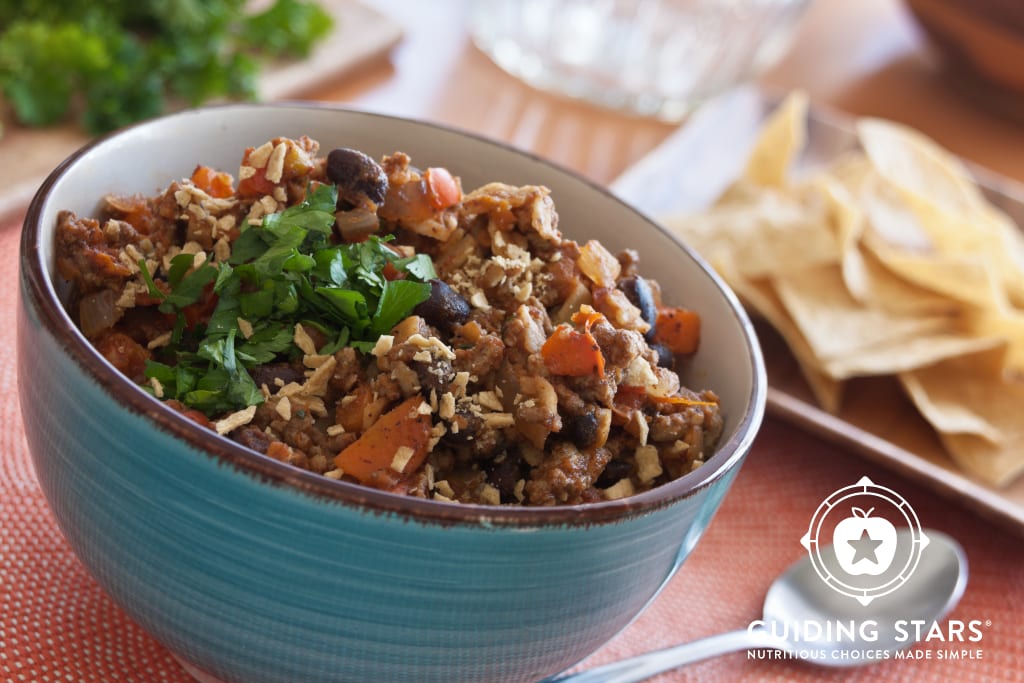
I always find the topic of meal planning to be polarizing. You’re either a fan who finds it valuable or it’s your idea of monotonous drudgery. But I’m here to say there’s more than one way to meal plan. I’m sharing a simple process that relies on one well-planned grocery shopping trip and a handful of cook-once, eat-twice recipes. Follow the map and you’ll be set up for a week’s worth of balanced, Guiding Stars-earning meals.
Step 1: Look at the Week Ahead
This is one of my top tips for making sure you don’t end up ordering pizza or getting take-out (again). The idea here is to take away some of the burden of feeding yourself well by pre-planning the biggest or most complicated meal of the day ahead of time. For many of us, that meal is dinner, but if that’s not true for you, plan for whichever meal is typically the most time-consuming or difficult to prepare. And if you have social obligations or evening activities that include dinner out, you’ll have fewer main meals to plan and prep.
Step 2: Take an Inventory
Check your refrigerator and make a note of any foods that need to be used this week. While you’re there, start a grocery list and add any staple items that need replenishing. Do the same with your pantry staples, then move on to your freezer. What do you have on hand for frozen veggies, and protein items like meat, fish, and poultry? Get an idea of what you have to work with so you don’t over-buy while shopping.
Step 3: Choose What to Make: Focus on Double-Duty Recipes
One way to make a full week of meals feel easy is to cook foods that work in multiple meals. This saves time and effort, and decreases food waste. (And if you get the ingredients on sale, you’ll save money too.) For example, say you notice that you have a good supply of frozen chicken breasts on hand. So you decide to make a sheet-pan meal using chicken breasts as the protein along with a couple of vegetables. Not sure which veggies to cook? Look for another recipe (check the Guiding Stars recipe collection online) that could use leftover cooked chicken breast and pre-roasted vegetables. Perhaps something like this easy Chicken Mushroom Skillet (swap the frozen veggies for the pre-cooked ones from your sheet-pan meal).
The idea is not to necessarily follow every recipe to the letter, rather to let them inspire you and provide a framework from which to create multiple easy meals. Focus on these kinds of recipes to help make it happen (click on the links below for Guiding Stars-earning recipes):
Once you’ve got a few basic meals and ideas for the leftover ingredients, give your plan the once-over. Be sure to have extra veggies and fruit on hand to round out the meals with more fiber and nutrients.
Step 4: Cross-Check Your Meal Plan With the Store Sales
This step is optional, but one that I always employ because it saves me money. Once I have a basic idea for several meals to make during the week, I check the store flyer for sales on the primary ingredients I need. You can also start your meal selection process the other way around. First see what’s on sale, and then choose the meals you plan to make based on those items. And stock up on sale items that you tend to use often and keep well. (For me that’s ground turkey, quinoa, and canned beans.) Other multi-purpose staple items to consider purchasing if you find a good sale include:
- Pasta, rice, and other grains
- Lentils and beans
- Fruits and vegetables of all kinds
- Eggs, milk, and yogurt
As always, you can compare the nutrient density of many foods and beverages by checking their Guiding Stars. You’ll find them on the shelf tags, store signage, and store-brand packaging at participating grocery stores.
Step 5: Make Your Final Grocery List
If you already started a grocery list when taking your inventory, you’re nearly done. All you need to add are those items you’re missing from the recipes you’ve chosen to prepare for the week. Check the recipes and finalize your list (don’t forget any crucial spices). Then feel good about using a list! For one, you’ll be less likely to forget things. And when you shop with a list, you make fewer impulse purchases—better for your health and your wallet.