Veggie purees aren’t just for baby food, grown-ups can eat them too! In fact, you likely already do eat them if you ever have mashed potatoes, cauliflower, or squash. Using purees is just one additional way to benefit from all the nutritional goodness in vegetables, such as vitamins, minerals, and health-promoting phytonutrients. And we can’t forget fiber! , but also fiber! Even though a vegetable puree may be smooth in texture, the fiber is retained.

Chocolate Beet Cupcakes
Beet puree adds color, moisture, and sweetness to these tender cupcakes.
View recipe »How to Use Vegetable Purees
Here are a few ideas for including veggie purees in your cooking. Not all types of purees may be suitable for all types of uses. Stronger-flavored vegetables, for example, may not be the best choices for sandwich spreads or baked goods. Use your best judgment.
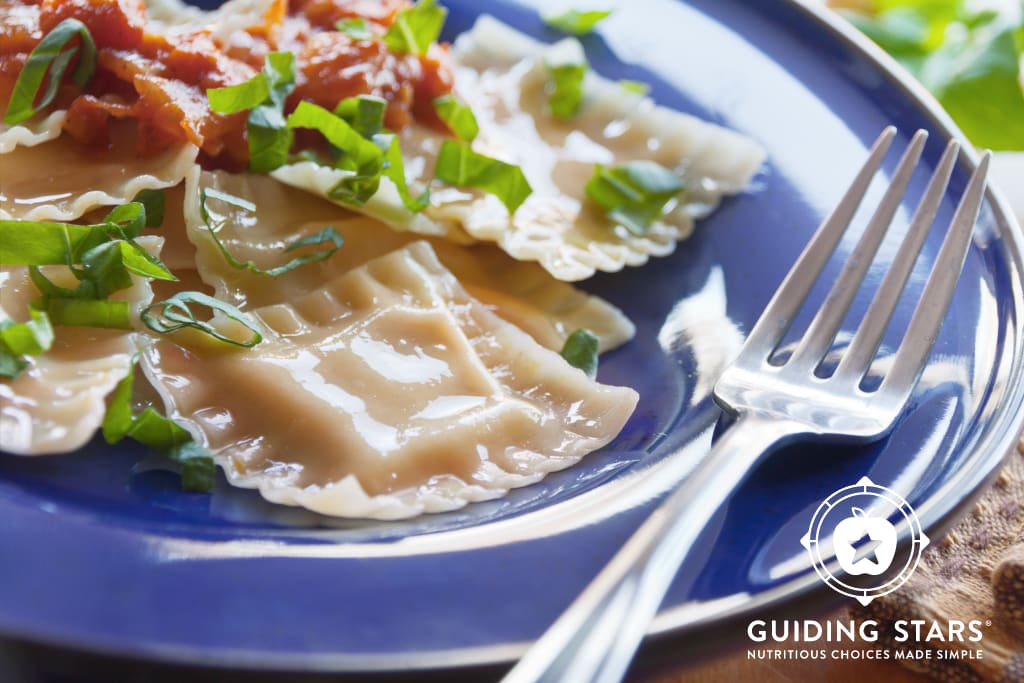
- As the base for pasta sauces
- As a sandwich spread
- To thicken soups
- As a garnishing sauce under an entrée or spooned over top
- To bind casserole ingredients
- To moisten lean meatloaf (such as those made with turkey or chicken)
- To bind veggie croquettes/patties/burgers
- Add to smoothies
- On their own as a side dish
- Add to pan sauces
- Add to baked goods such as cakes and brownies
- Freeze in cubes and add to anything for a boost of veggies
- Baby food, of course!
Which Vegetables Make Good Purees?
Watery vegetables like lettuce don’t make great purees, and stringy or fibrous vegetables can be a challenge (but typically can be made into a puree provided you have a good blender/processor). For the easiest purees, opt for something from the list below. Feel free to mix the veggies together—adding a potato is one of my favorite tricks, for example, peas plus potato is tasty and more substantial than pea puree alone. Beet and potato makes a pretty pink puree.
- Winter/hard squash (butternut, acorn, pumpkin, etc)
- Root vegetables (potatoes, yams, beets, parsnips, carrots, rutabaga, turnip, celeriac)
- Beans and peas (cooked lentils, cooked beans, cooked peas, cooked split peas)
- Miscellaneous vegetables (broccoli, cauliflower, peppers, onions)
How to Puree
- Cook the veggie first. Purees are not made from raw vegetables; you do need to pre-cook the vegetable first. If you’re using canned beans, those are fine to puree since they are already cooked. Once the veggies are cooked to fork-tender (no need to overcook), you’re ready for the next step.
- You’ll need a tool to create a smooth puree. For tougher veggies like winter squash, it helps to have a food processor. However, you can still make a puree without it by using an immersion blender (my favorite way—so easy to clean and doesn’t take up counter space), a food mill, pushing it through a fine-mesh strainer with a spoon, or even just a potato masher. The key to using the by-hand methods is to make sure the vegetables are thoroughly cooked.
- Add a liquid. It can be whatever you like—water, broth, juice, a little cream, even cooking juices from roasting meat or chicken—but you’ll need something to add to make your puree the right consistency for your use (purees destined for soup will be more liquid, side-dish purees will be thicker).
Boost the Flavor
- Added fat is optional, but tasty. Adding a little ghee, butter, brown butter, coconut milk, or nut oil is allowed of course, and can add a lot of richness and flavor. Proceed carefully though—too much will leave you with an oily, unappetizing result.
- Season the puree to your liking. You may just add salt and pepper, a favorite spice or herb, a spoonful of jam, hummus or miso, or something like a dash of Tabasco, balsamic vinegar, or soy sauce. Be creative, taste and adjust as necessary!
Try some of these Guiding Stars recipes for purees or foods made with purees.
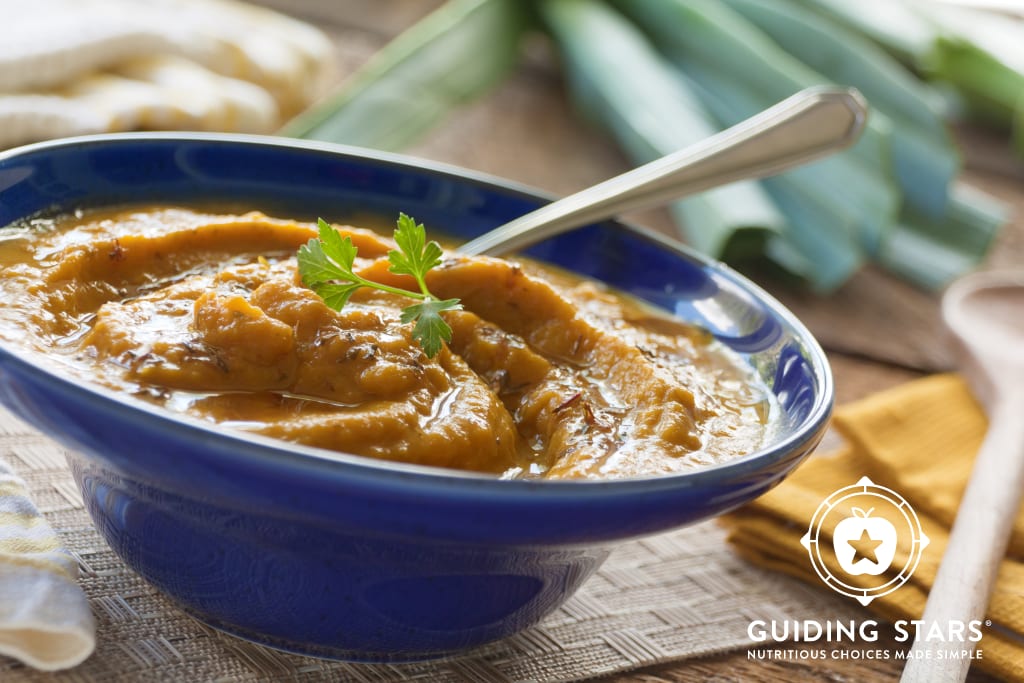
Brown Butter Pumpkin Soup
Pumpkin soup make with a rich assortment of veggies and herbs is a flavorful dish.
View recipe »

Spicy Lentil Wraps with Red Pepper Paste and Tahini Sauce
Make a delicious condiment with pureed red pepper.
View recipe »