
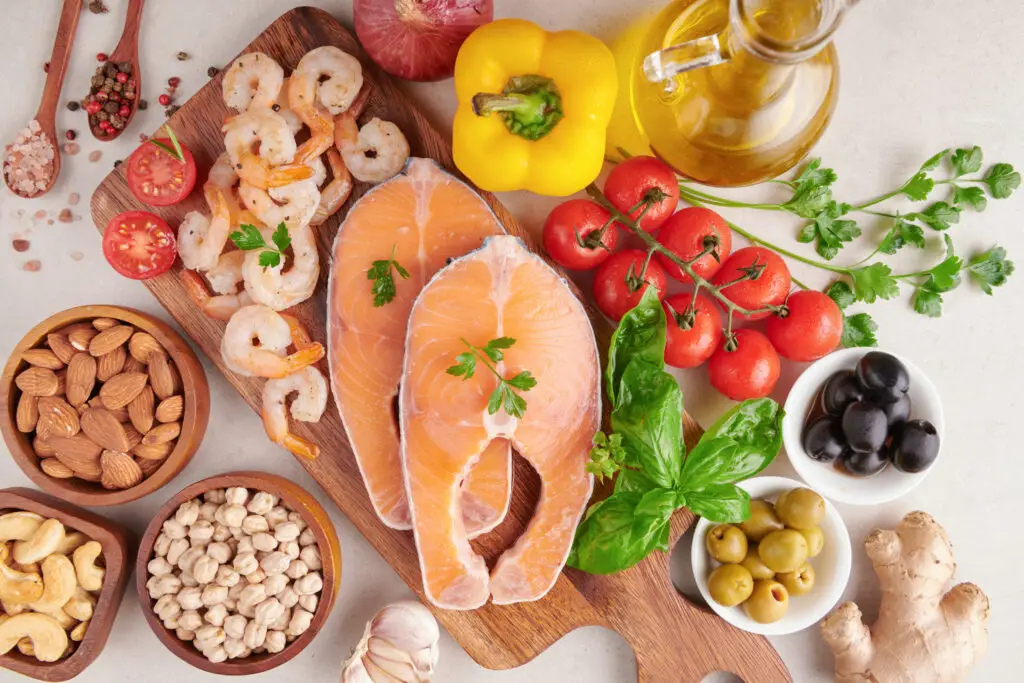
The Mediterranean Diet is perennially popular, in large part because of the delicious, plant-forward cuisine of the region. It’s also consistently rated as one of the most healthy eating patterns in the world. There are many significant benefits to this style of eating. It supports heart health and assists with weight management. It also helps fight chronic inflammation in the body, and may even enhance longevity. But here’s something you might not know about the Mediterranean Diet: many of its health impacts are tied to its influence on gut health.
How Is the Mediterranean Diet Good for the Gut?
A healthy gut drives health benefits around the body—not just in the digestive system. And there are several ways that the Mediterranean eating pattern promotes both healthy digestion and gut function.
It Increases Diversity of Gut Microbiota. Trillions of microorganisms live in our digestive systems, and this community is extremely diverse (this is a good thing). Together, these organisms are responsible for physiological processes that influence metabolic and immunological health. The intestinal microbiota even protects the body against invading, dangerous microbes. Several studies have analyzed the Mediterranean eating style on the microbiota. And they show that, although individual responses can vary, following this type of diet promotes a healthy balance of bacteria in the microbiota. The overall effect? Improvement in processes related to gut health, inflammation, obesity and metabolic syndrome, and neurodegenerative diseases. Generally, the more diverse the population of bacteria in the gut, the more able it is to keep you healthy.
It Provides Prebiotics for Gut Bacteria. In most studies, people who follow the Mediterranean diet develop different gut microbiota than those who consume typical Western diets. The contribution of plentiful fiber, roughly 14g per 1000 calories, is likely part of the reason. Some fibers from our food can serve as food for the bacteria in the digestive tract—these are called prebiotic fibers. Prebiotic fibers are prominent in the Mediterranean diet, and in fact, most high-fiber foods contain some prebiotic fibers. In response to the fiber, the bacteria produce short-chain fatty acids (SCFA) in the colon. The benefits of SCFA production have been widely studied, but there is still lots to learn about these compounds. So far, some of the strongest research shows they likely play beneficial roles in:
- Decreasing inflammation and fighting chronic diseases that stem from it
- Strengthening the intestinal barrier
- Supporting the immune system
- Contributing several anti-obesity effects
It Supports a Healthy Balance of Gut Bacteria. Probiotics are live bacteria with health benefits. When our digestive tract is populated with adequate numbers of “good” bacteria, the microbiota works well, and our digestive systems hum along with no special attention needed. However, when there aren’t enough “good” bacteria (or when one type dominates), the imbalance—called dysbiosis—can cause a variety of problems. Everything from diarrhea or constipation to more complicated issues like bowel diseases and bacterial infections are more likely when gut bacteria are out of balance. Fermented foods, common in the Mediterranean Diet, are excellent sources of probiotics.
Which Mediterranean Diet Foods Boost Gut Health?
It just so happens that most Mediterranean Diet foods are not just healthy, but good for your gut too! However, eating in the Mediterranean style does vary, since there are a number of countries in the region. This allows you to personalize your Mediterranean eating plan a bit while still maintaining some of the healthy basics. In general, the following foods are on a Mediterranean table every day if you want to emphasize gut-healthy foods:
- Legumes, nuts, seeds
- Whole grains
- A wide variety of fruits and vegetables
- Yogurt and other fermented dairy products
- Minimally processed, extra-virgin olive oil