
Everybody wants to stay healthy and not catch whatever illness is going around at school or work. But knowing how to support your immune system, manage any symptoms and fight off future ones seems daunting. We can’t boost our immune system. But we can support it through diet, probiotics, exercise, and other lifestyle choices.
Diet
When it comes to diet and immunity, there’s not a magic food that prevents illness. It’s about a broad, balanced diet full of micronutrients (vitamins and minerals) that work together to maintain a strong system. A colorful, antioxidant-rich diet of fruits, vegetables, and grains fight free radicals (pro-inflammatory molecules that contribute to disease). Avoiding alcohol is also a smart move for your immune health.
Prebiotics/Probiotics
Seventy percent of our immune system is located within our gut. Maintaining a healthy gut begins by supporting a robust microbiome, which includes both good and bad bacteria. Good gut bacteria are lost over time due to stress, gastrointestinal disruptions, and more. To offset this, seek sources of probiotics from fermented foods like kimchi, sauerkraut, or Guiding Stars-rated kefir and kombucha. The good news? When you’re consuming an “immune system-supporting” diet of fruits, vegetables, and grains, you’re also getting prebiotic-rich fiber. Think of prebiotics as “food” for good gut bacteria, enabling the microbiome to flourish and support our immune system.
Supplements
The research is mixed on whether or not targeted supplementation (such as with zinc) at the first sign of cold symptoms is beneficial. We know excessive supplements can be wasteful, and often unnecessary. In the case of water-soluble vitamin C, for example, excess is quickly excreted. Supplements can also interact with medications and affect you in unexpected ways. And if you take them regularly, be sure to let your doctor know.
Exercise
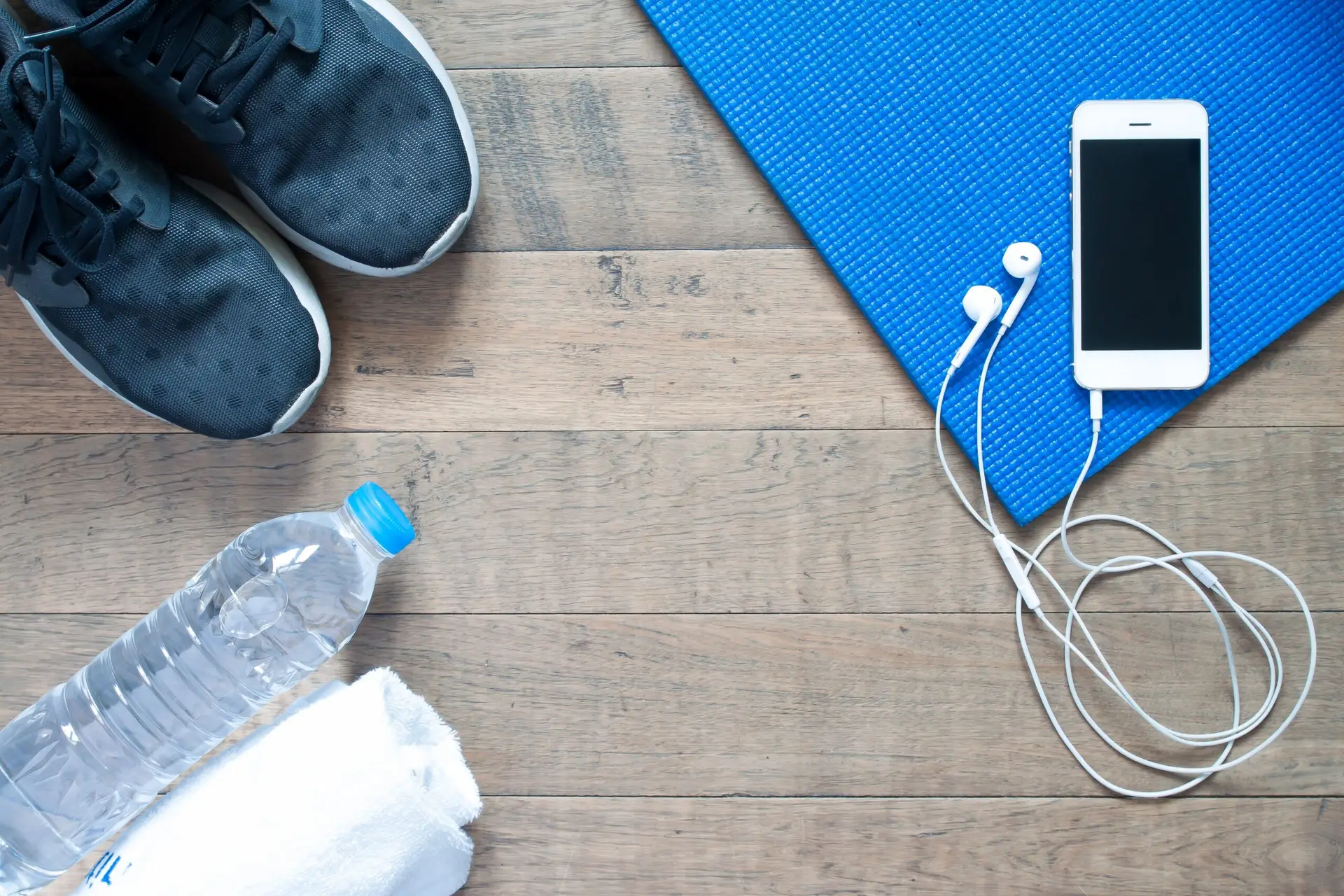
There is plenty of research that highlights the role exercise plays in supporting a strong immune system. Exercise fights bacteria, boosts our defenses, and helps manage stress. The standard recommendation is moderate to vigorous exercise for 30-60 minutes several days a week. Be sure to take rest days, too. And if you’re already under the weather, don’t overdo physical activity. If it feels like too much, it probably is.
Stress
It’s not surprising that there’s a connection between stress and lowered immunity. And it certainly makes sense that a stressed body is a weak one. Daily mindfulness, meditation, breathing exercises, and yoga are all beneficial ways to control stress. Try any of these apps to help stress-relieving activities become part of your daily routine. And don’t forget that rest and sleep are important for a body and mind under stress.