It might seem like eating seasonally is all about sustainability and prioritizing local foods. But people have been eating what’s in season since the beginning of time because they didn’t have any other options. Of course now we can get all kinds of foods from around the world pretty much any time of year. Even so, many of us still shift our eating patterns according to the calendar.
Spring Eating Changes That Come Naturally
Sometimes a change of season brings alterations in what and how much we eat—without any real thought on our parts. And that’s not surprising, given that humans and many animal species show physiological changes in response to the seasons. Some studies show that, for humans, caloric intake and body weight are highest in the winter (and physical activity may be lowest), while the opposite is true in the summer. In the winter, extra fat on our bodies helps keep us warm. But as soon as things start warming up, our food intake (and weight) can start tapering off. Spring months prompt a transition for our bodies as well as the weather, it seems. What’s behind some of these changes? Here are a couple of possible reasons:
- Longer daylight hours. More sunshine impacts serotonin release, which influences satiety and energy intake. Sunlight exposure can also boost mood and provide more opportunities for physical activity.
- More fresh produce options. Spring brings more crops and therefore more choices, just when winter produce has worn out its welcome. Humans like variety and novel flavors. “Storage crops” like potatoes, beets, turnips, and carrots can feel (and taste) boring compared to fresher fare like lettuces, asparagus, peas, and radishes. In general, spring produce also tends to be lower in calories than winter produce.
Making Intentional Eating Changes This Spring
Making intentional food choices based on the season isn’t exactly a new wellness idea. For example, eating lighter, easy-to-digest evening meals in springtime is a central principle of the ancient practice of Ayurveda. There are lots of ways to change up your diet as you ease into a new season, so choose the ones that feel best to you.
It’s important to remember that you don’t have to do everything at once. You also don’t have to force yourself to make changes that don’t “fit”—that’s a recipe for frustration. In fact, when your eating habits align with your life—your needs, schedule, health priorities, season of life, likes, and dislikes—you don’t need to rely on motivation or willpower to make changes stick. If you’re looking for a few ideas of habits to refresh this spring, consider these:
- Breakfast: Move from nothing to something. Launching yourself into your day with just coffee or tea for fuel usually backfires in some way. (This often includes carb cravings you can’t refuse by 10:30 am.) Don’t complicate things—find a couple of easy options that you can rotate through—or eat leftovers from dinner. (And if you want some recipe ideas, check out these economical, Guiding Star-earning options.) Then thank yourself later for the improved energy, focus, and ability to get through until lunch with no vending machine snack run!
- Water: Recommit to drinking more H2O. Sometimes we slow down on our water drinking during the cooler months. It can happen without you even noticing. Plain water is always going to be your body’s beverage of choice. And now with warmer temps and more activity, it’s a good time to get back to your water habit. Here are some ways to help you enjoy water again.
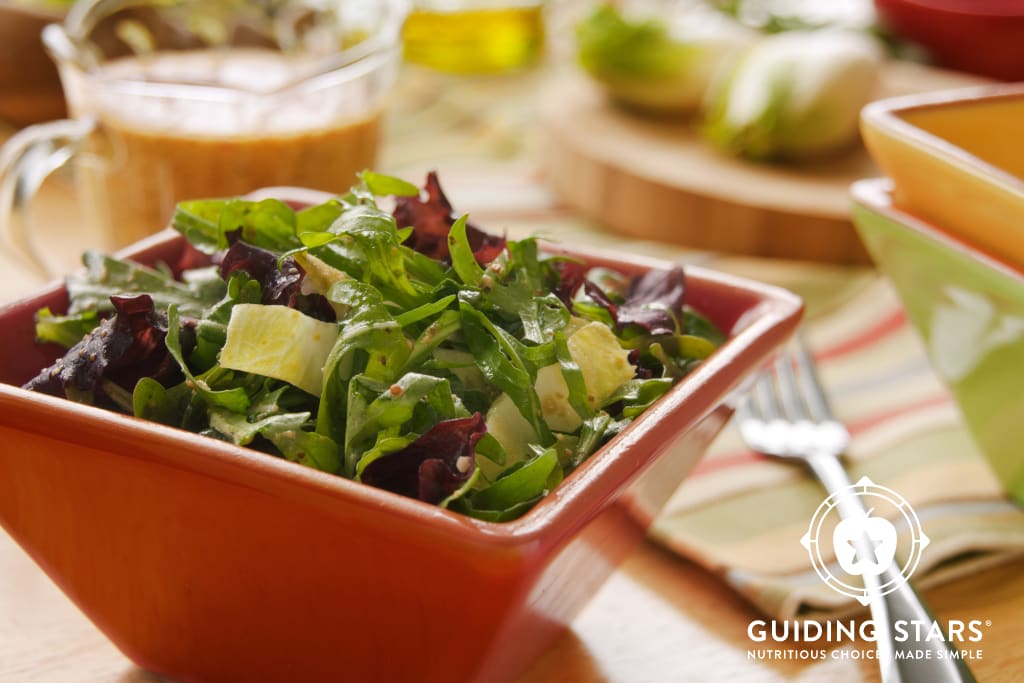
- Veggies: Get more greens onto your plate. Have you noticed that common winter veggies often lack the color green (lookin’ at you, potatoes and winter squash)? Thankfully, fresh greens are more widely available now (and more economical too). So make it a habit to eat something green once a day—or more! Fresh greens like spinach, tender herbs, arugula, watercress, bok choy, and lettuces are very versatile. They also provide a refreshing contrast in taste and texture to many seasonal dishes. Add them into skillet dinners and stir-fries near the end of cooking so they’re just lightly wilted. You can also chop and sprinkle them on as edible garnishes, or stir them into springtime vegetable soups. Here are some recipe ideas combining greens and grains for you to try.