3 Tips to Help You Not Out-Eat Your Workout

The featured photo of the article.

There’s a saying you might have heard: You can’t outrun (or out-exercise) a bad diet. I get the gist of this—that the average person can’t undo dietary damage with exercise. But what counts as a “bad diet” anyway? That’s so variable—there’s a chance that some folks’ diets are really that bad and that they technically couldn make up for their food intake with exercise. But let’s face it, most of us would have to exercise quite vigorously for a looooong time to make up for the cocktails, doughnuts, fancy coffee/milkshakes and other less-than-nutritious foods we consume.

Continue reading »

Why I Go To A Personal Trainer

The featured photo of the article.

Yep. I go to a personal trainer once a week. And yes, sometimes the phrase “my trainer” works its way into a conversation. Honestly, it’s not because I want people to believe I live like one of those uber-fit stars who spends all day working out, sipping fresh-squeezed juice and then getting a massage (I wish)! It’s more because my training sessions with him have become a valued part of my life. Believe me, I tried out this trainer at the suggestion of a friend or I’d never have thought it would be something I’d like. That’s why I wanted to write this post, because maybe some of you are like I was—that is, not realizing how great having a trainer can be—for your fitness of course, but other areas of your life as well. So, here goes… (and no, he doesn’t know I’m writing this post)!

Continue reading »

Be a Ketchup King (or Catsup Queen)!

The featured photo of the article.

It’s cookout season and that means you will need condiments to top off all those burgers and dogs, right? Hands down, ketchup (or catsup, if you prefer) is one of the most popular condiments of all time. According to author Dan Jurafsky, ketchup has a long history and actually originated in China. The labeling term “tomato ketchup” is not redundant because the first ketchup was not made from tomatoes at all. Early ketchup recipes utilized things like mushrooms and nuts. For more info on all things ketchup, check out Jurafsky’s book, or this one by Andrew Smith.

Continue reading »

Organics and Nutrition—What to Think?

The featured photo of the article.

For years the debate about whether organically-raised food is more nutritious than conventionally-raised crops has made media headlines and spurred heated conversations. For some consumers, these reports may lead to flip-flopping from one side to the other, perhaps trying to balance their concern over their health (and that of the environment) with concern over their food budget. Sound familiar?

Continue reading »

Keeping it Green by Cooking with Cover Crops

The featured photo of the article.

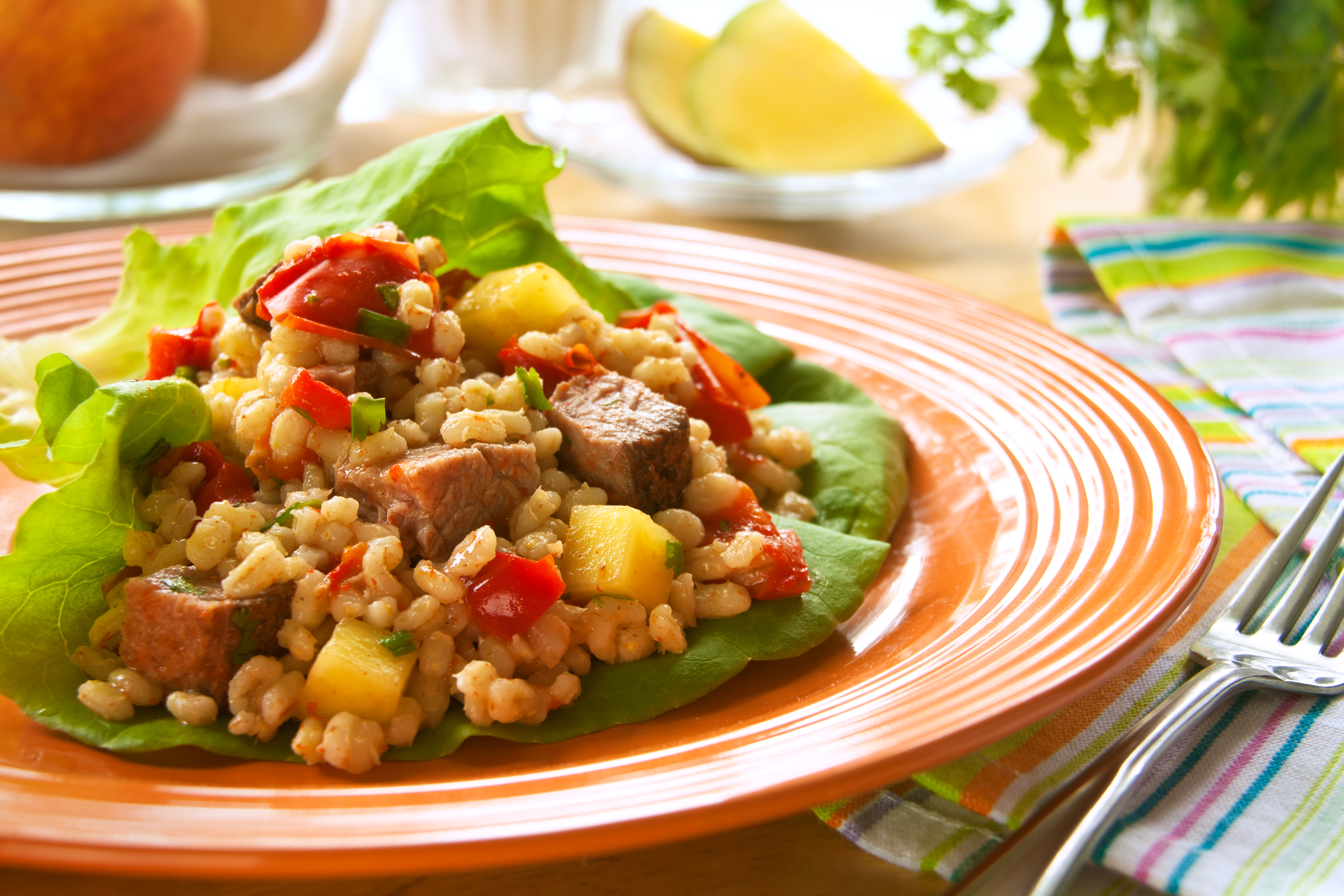
Though few of us are large-scale farmers, lots of us have heard of cover crops (sometimes called “green manure.”) These crops are typically not raised as cash crops. Instead, they are planted to keep the bare soil from being exposed to the elements and also to nourish the soil and suppress weeds during the regular crop’s “off season.” Which crops are these exactly? Often they are legumes, grasses and certain grains. Small grains like barley, millet and buckwheat are common cover crops. These also happen to be cover crops that local farmers can actually harvest and sell as well. Growing this type of cover crop allows farmers to make money from crops grown past the normal summer season, so buying these products is a great way to support smaller, local farms.

Continue reading »

You Say Seaweed, I Say Sea Vegetable

The featured photo of the article.

To some of us, seaweed is just that annoying stuff that you gingerly step around when walking the beach, but for others, it’s on tonight’s dinner plate. Seaweeds, sometimes called sea vegetables, have been a traditional food in China, Japan and the Republic of Korea, and are frequently used as a salad ingredient in Indonesia and Malaysia. Other people who live close to the oceans (various European and Nordic countries) have also a history of harvesting and eating local sea vegetables. Along the northeast coast of the U.S. as well as New Brunswick and Nova Scotia, seaweed companies are growing their businesses rapidly as food manufacturers discover that the public is becoming interested in the taste as well as the potential health benefits of sea vegetables. Eating seaweed isn’t something new in the U.S. and Canada, but it is becoming more popular as people learn more about these abundant sea vegetables. Last year Maine hosted its first Seaweed Festival to help spread the word.

Continue reading »