Winter Wellness: Five Healthy Habits to Adopt

…do want to aim for natural color through fruits, vegetables, beans, and grains. At a time when many are focused on supporting strong immunity through diet, color is where it’s…
Nutritious choices made simple®
…do want to aim for natural color through fruits, vegetables, beans, and grains. At a time when many are focused on supporting strong immunity through diet, color is where it’s…

…from affordable ingredients. Consider cost-saving cuts that create delicious dishes like sirloin with roasted vegetables or a herb rubbed roast. Likewise, don’t overlook the elegance of a simple piccata with…
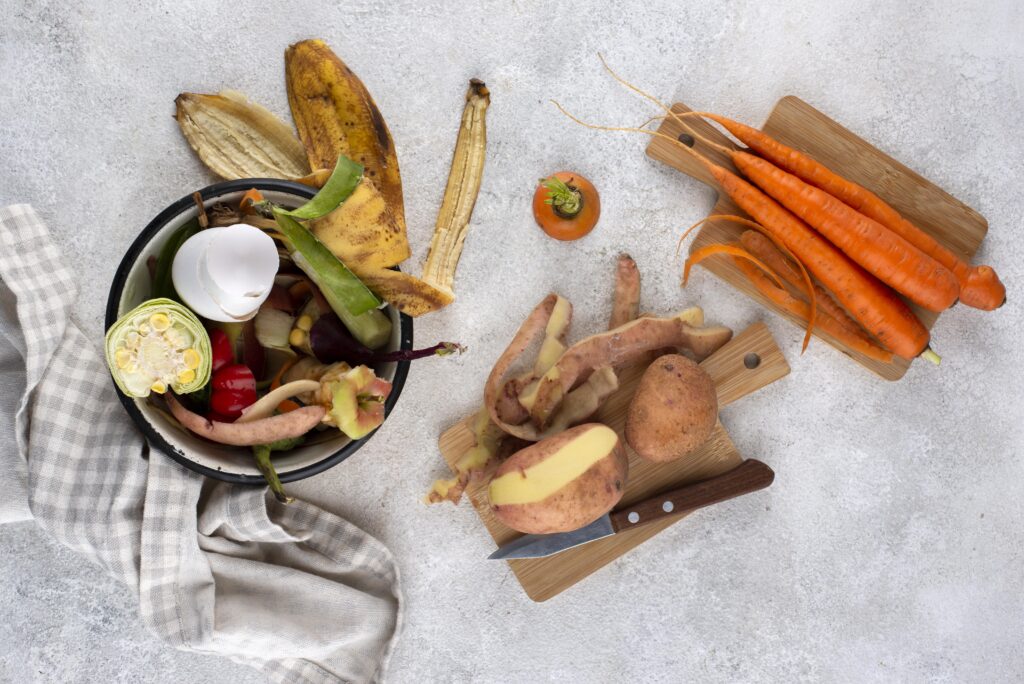
…of food. Curbing the habit of over-serving takes attention and practice, and goes hand in hand with learning to eat more mindfully. Save vegetable scraps for broth I keep a…
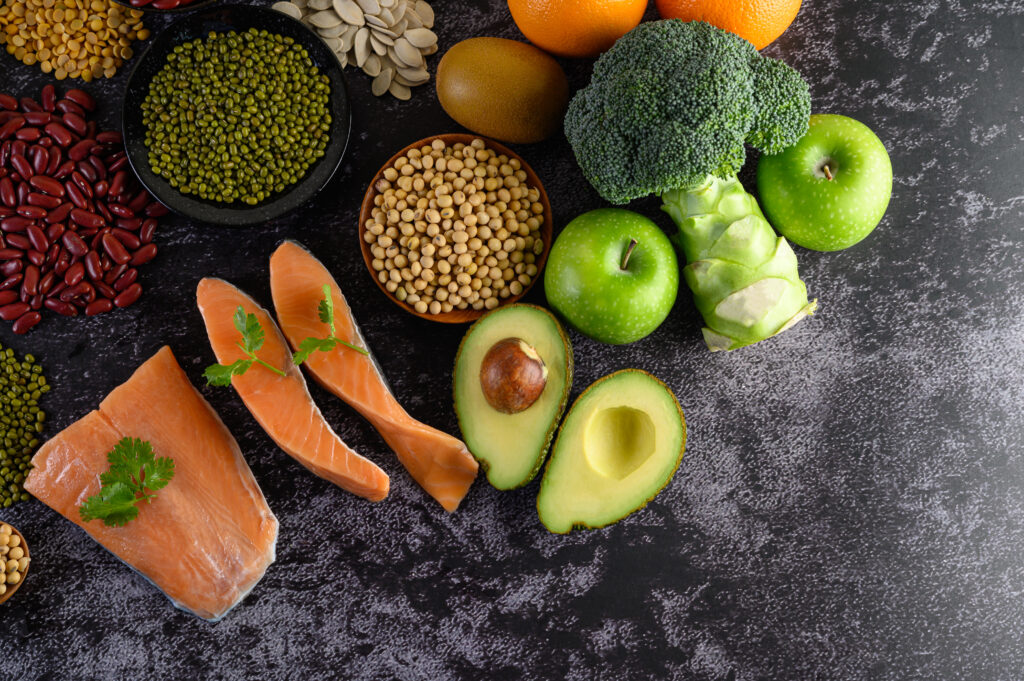
…less than 0.5 grams of trans fats per serving, manufacturers can label their products as trans-fat-free. This is often the case with foods that contain butter or partially hydrogenated vegetable…

…to understand how an athlete’s carbohydrate needs should adjust to match their training. Young athletes generally benefit from nutrient-dense carbohydrate choices like whole grain, legumes, and starchy vegetables. Simple digesting…

…and vegetable oil thin the mixture down to make it easy to coat all of the meat evenly, ensuring consistent flavor in each bite. If you’re not a spicy food…

…evaluates products using a variety of nutrients found on the Nutrition Facts label and ingredient list. For foods that are not labeled, such as meats, fruits, seafood, and vegetables, the…
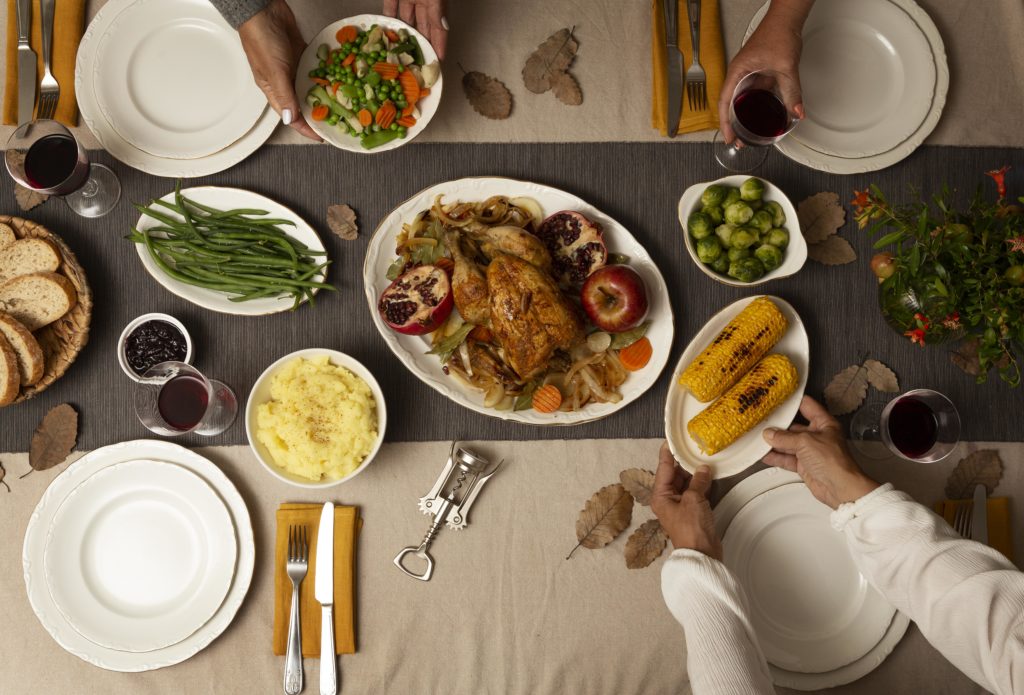
…less expensive (and fresher) than produce that travels a distance. Focus on plants The term “harvest” refers to gathering mature fruits, vegetables, and grains from the fields. Naturally, these foods…