When You Produce From Scratch, You Know What’s in the Product
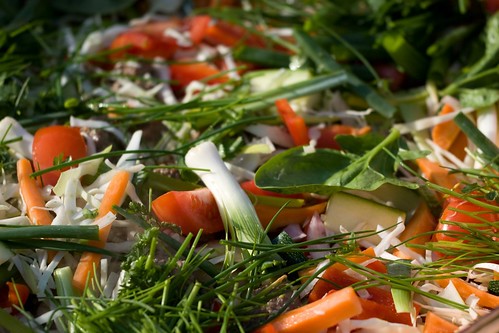
…cheese, we can use whole-wheat pasta, skim milk, and fresh vegetables. We want to sneak in some nutrition to foods that are basically empty calories because we know they will…
Nutritious choices made simple®
…cheese, we can use whole-wheat pasta, skim milk, and fresh vegetables. We want to sneak in some nutrition to foods that are basically empty calories because we know they will…

…sure) Fill half the plate with non-starchy vegetables (e.g., greens, peppers, tomatoes, zucchini, cucumber, carrots, asparagus, broccoli, and cauliflower) Fill ¼ of the plate with carbohydrate foods (such as whole…
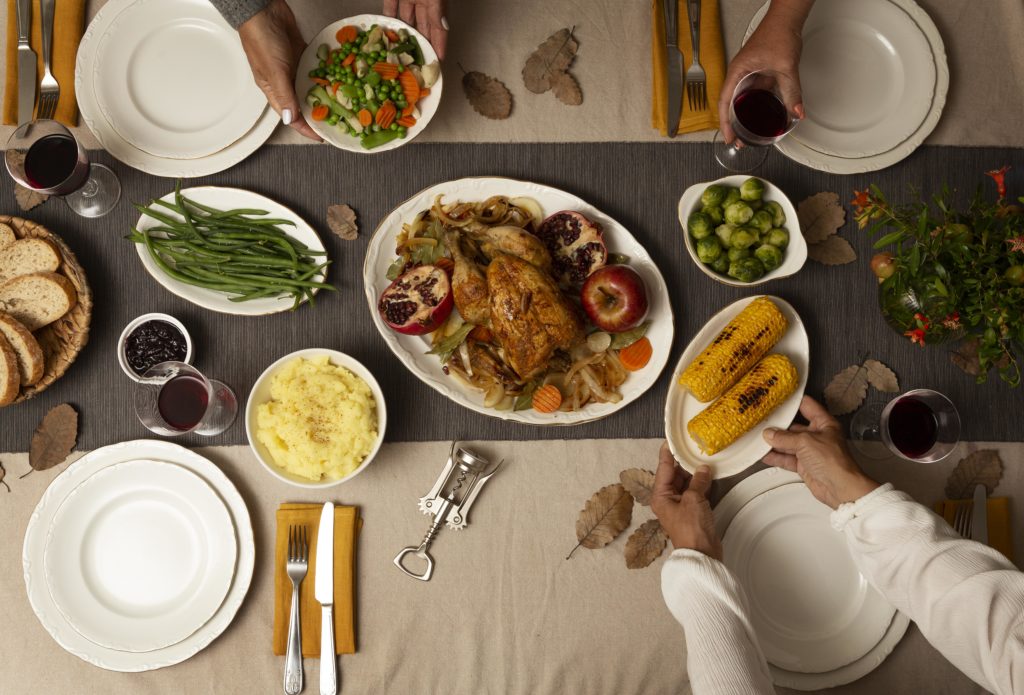
…less expensive (and fresher) than produce that travels a distance. Focus on plants The term “harvest” refers to gathering mature fruits, vegetables, and grains from the fields. Naturally, these foods…
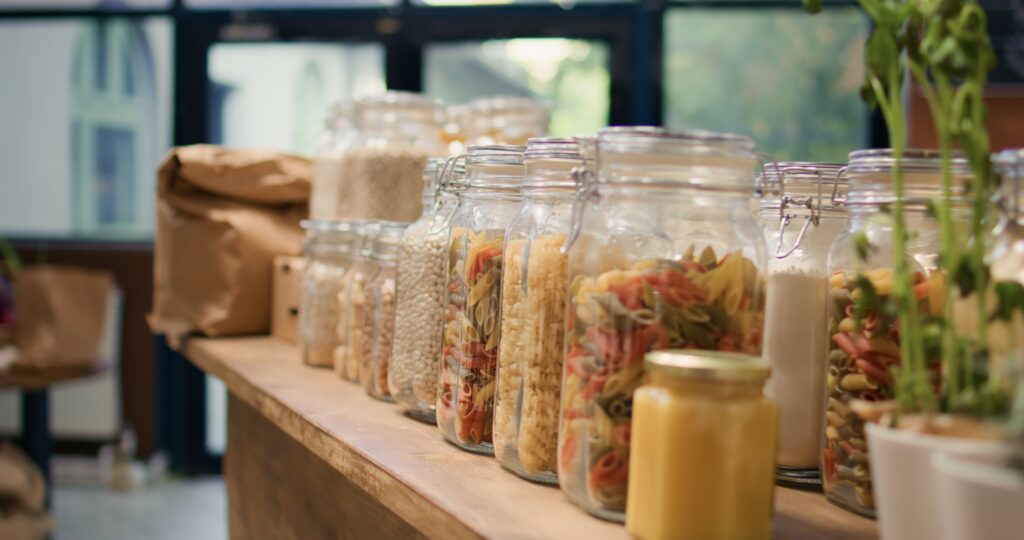
…is utilized). Greenhouse-grown fruits and vegetables are also less likely to be sprayed or grown with harmful chemicals. Look for greenhouse-grown or hydroponic produce to support this type of farming….
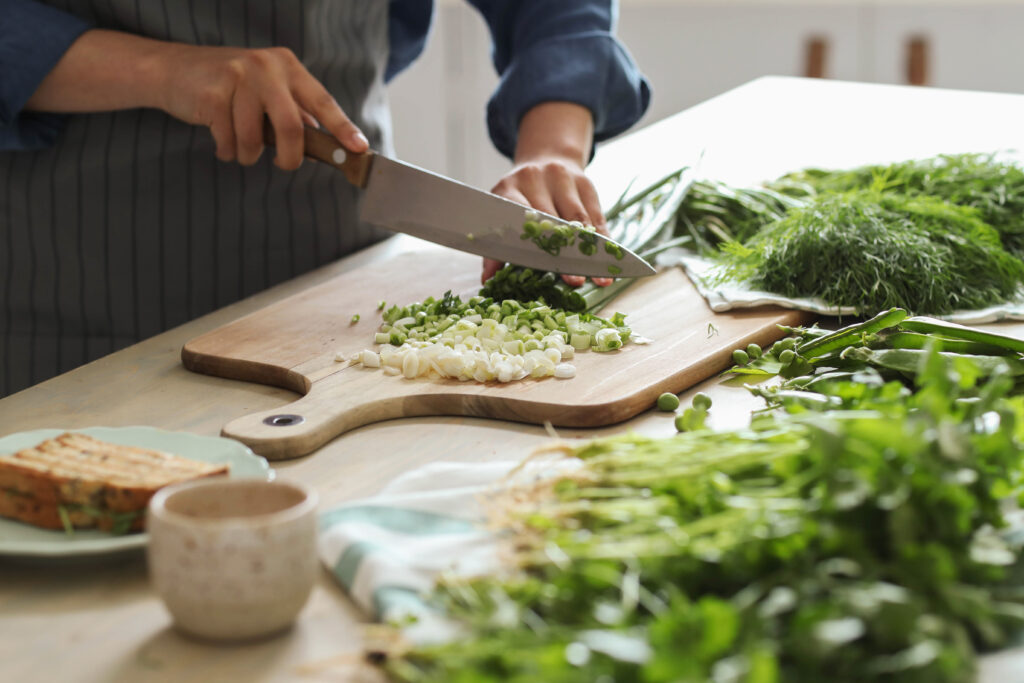
…on product packaging guide what they buy. And ironically, only a small minority (1 in 10) meet the daily guidance for fruit and vegetable consumption. What nutrition experts want you…
…Unlike liquid oils made from vegetables or seeds, coconut oil is solid due to its high saturated fat content. This may make it a good choice for certain recipes, for…
…meats and raw vegetables draws out their moisture during sautéing, which concentrates and deepens the flavor. When our mouths sense a balanced flavor, we’re less likely to want to add…
…as well, since regular buns—in addition to containing bleached flour–generally contain high fructose corn syrup. Vegetables: Frozen vegetables often boast a higher nutritional content than their fresh counterparts because they’re…