No Fuss Healthy Meat Loaf
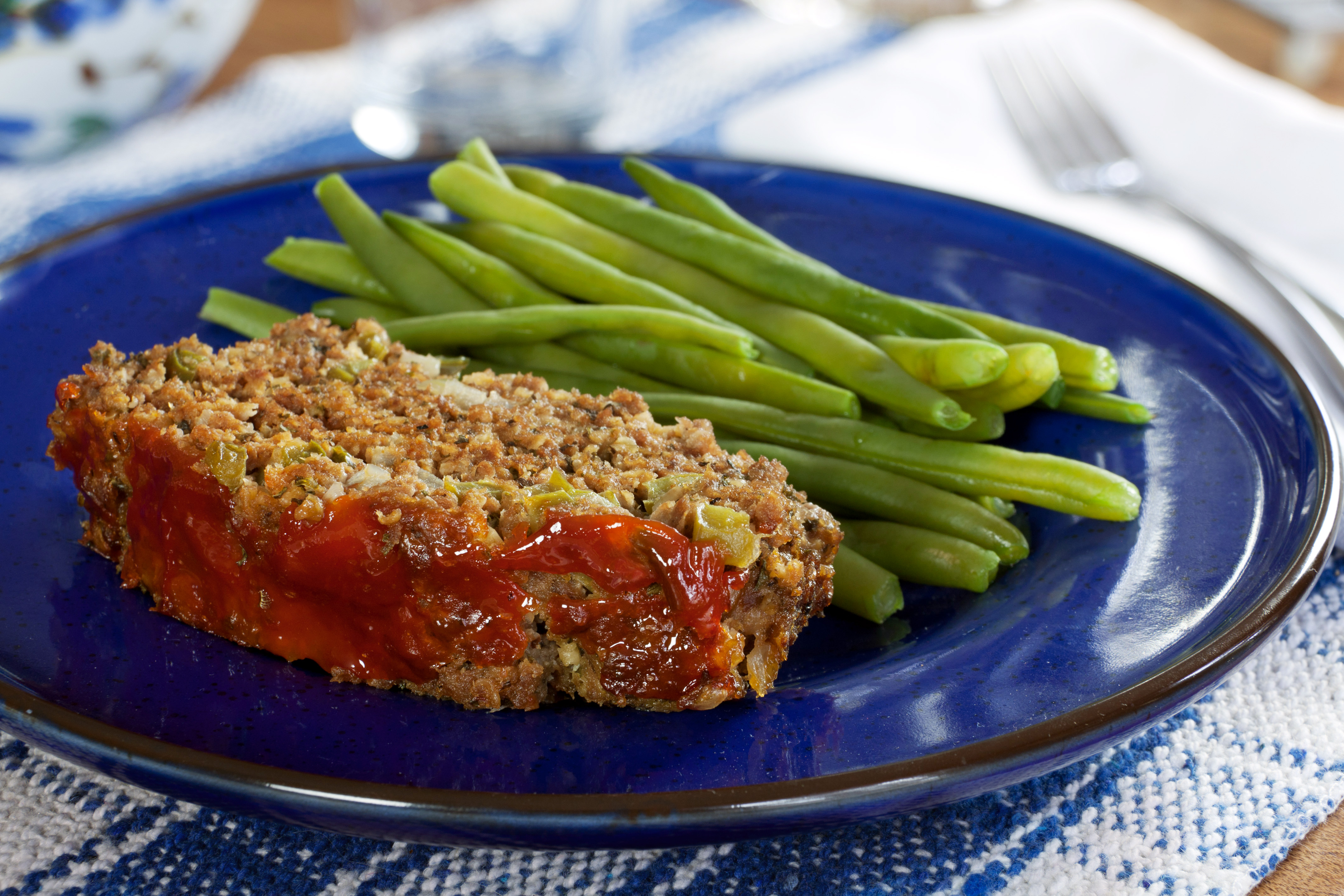
…favorite dish without compromising on their health. This delicious, lean rendition captures the flavors we all know and love while bringing the benefits of whole-grains and vegetables to the tradition….
Nutritious choices made simple®
…favorite dish without compromising on their health. This delicious, lean rendition captures the flavors we all know and love while bringing the benefits of whole-grains and vegetables to the tradition….
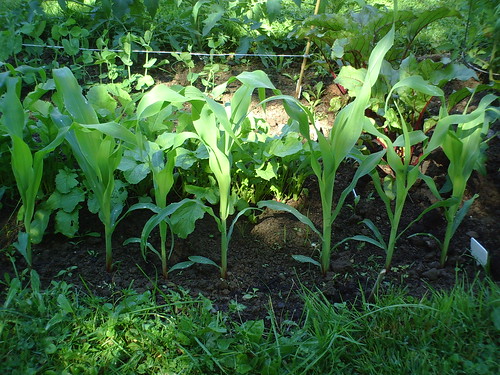
New fruits and vegetables aren’t always the most exciting dishes at the dinner table, but kids are much more willing to try a plant they’ve helped grow. As seed-planting season…
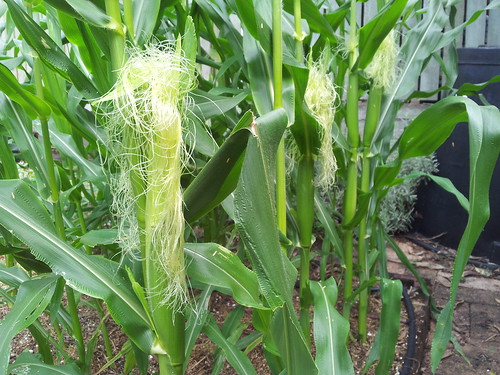
…30% less likely to have pesticide residues than conventional fruits and vegetables, they had an equal risk of bacterial contamination. This means that an organic food is just as likely…

We often talk about how to get enough fruits and vegetables into kids, but I have to say that I struggle to get enough protein into mine. I know I’m…
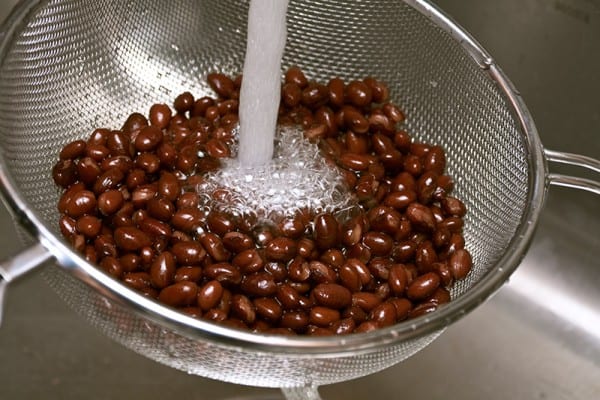
…allows them to count as either a vegetable or a protein—but not both in one meal. How to Slow-Cook Dried Beans This slow-cooking method is the one that my co-author…
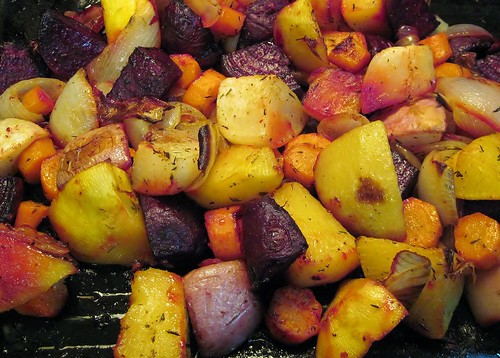
…to prep them for your cooking. Freeze Staples Onions, garlic, celery, carrots and peppers are vegetables you’ll find minced and diced as a starting base for all manner of recipes….
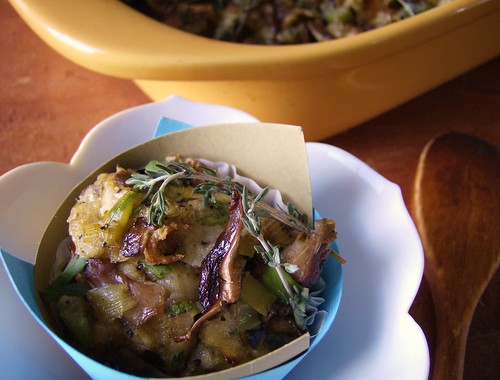
…minute. Transfer stock to the bowl of vegetables. Stir in the parsley, chives, and pepper. Set aside. Beat the egg and egg white together with milk and remaining ¼ teaspoon…
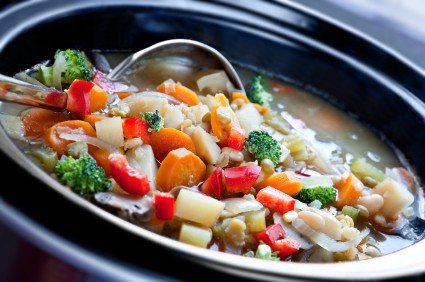
…conversion chart from Taste of Home. Our favorite highlights are below. Vegetable Soup in a Slow Cooker Don’t add extra liquid. Remember that slow cookers don’t evaporate most of the…