Scalloped Elegance
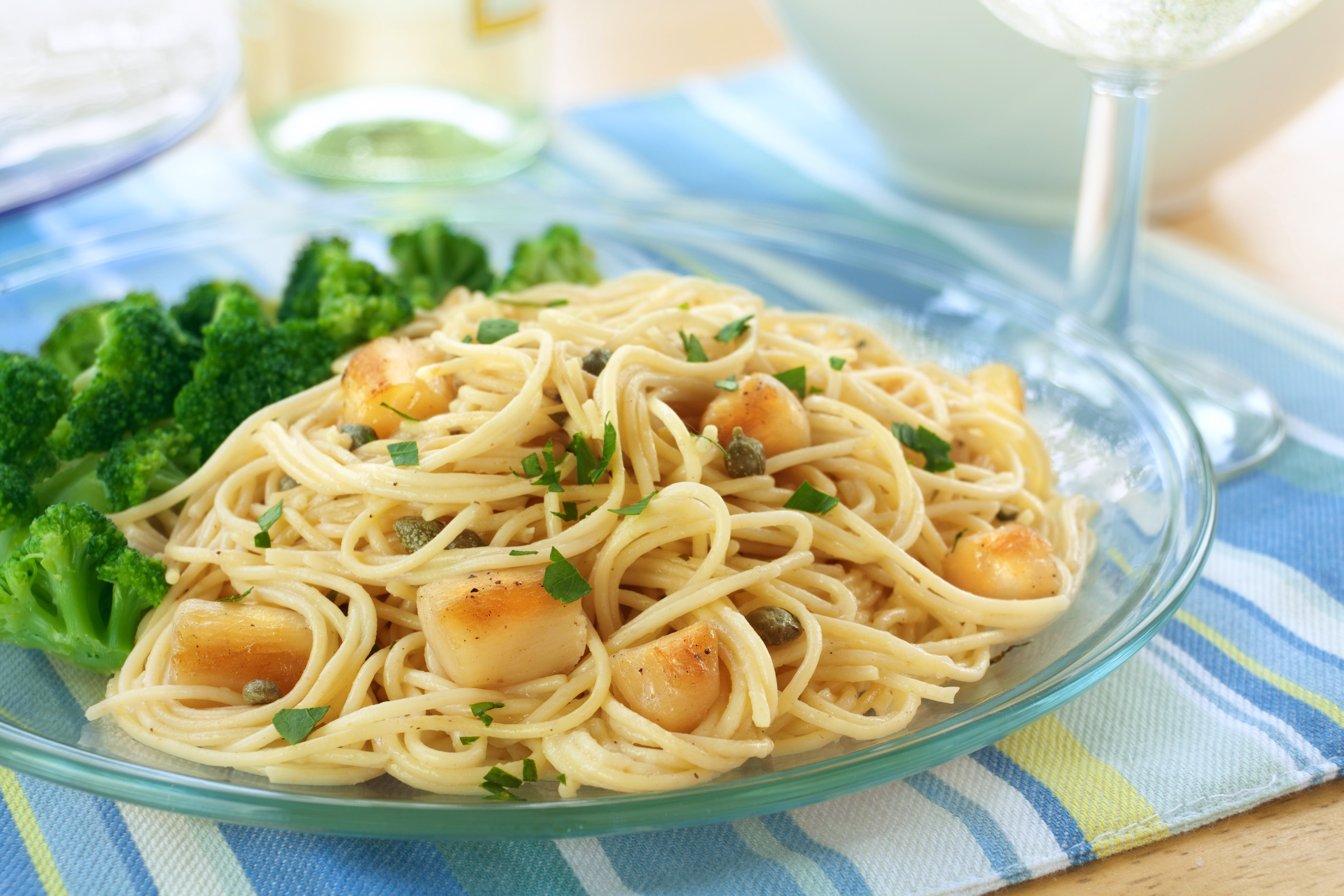
…with plenty of fresh vegetables for a balanced meal. Scallop Piccata on Angel Hair Print this recipe | Get the full nutrition facts Perfectly browned scallops on a bed of…
Nutritious choices made simple®
…with plenty of fresh vegetables for a balanced meal. Scallop Piccata on Angel Hair Print this recipe | Get the full nutrition facts Perfectly browned scallops on a bed of…

…dawn of agriculture and animal husbandry. In other words, the food products of more modern living—including grain-based foods, dairy products, legumes, certain vegetable oils and virtually all “processed” foods—are shunned…
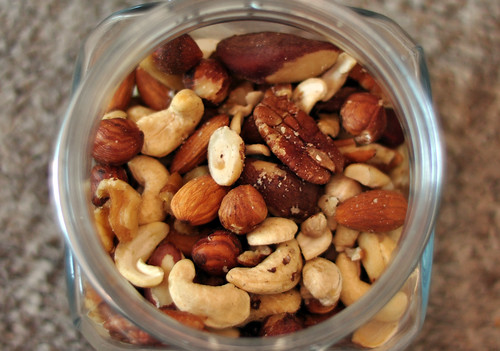
…on a log, you’ll love this easier alternative! Turn the classic snack into a dip version and mix up your vegetables. Not a fan of celery? Go for carrots! Want…
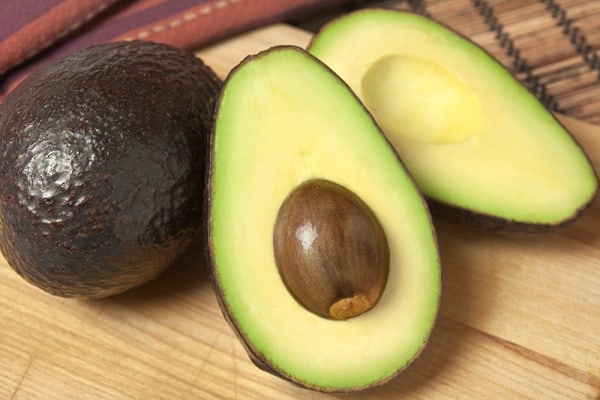
…that are naturally low in calories and good for them. Take fruit and vegetables for example. Of course, these naturally low in calorie, highly nutritious foods aren’t labeled, which is…
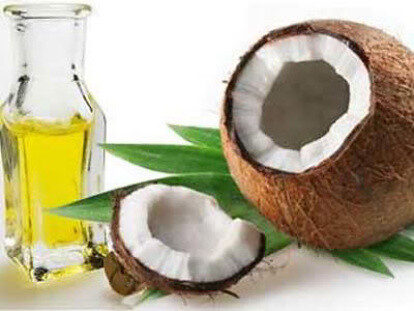
…immune system or combat Alzheimer’s disease? We don’t know yet, so don’t bank on it. Yes, it’s cholesterol-free (all vegetable oils are), and coconut oil is likely more healthful than…
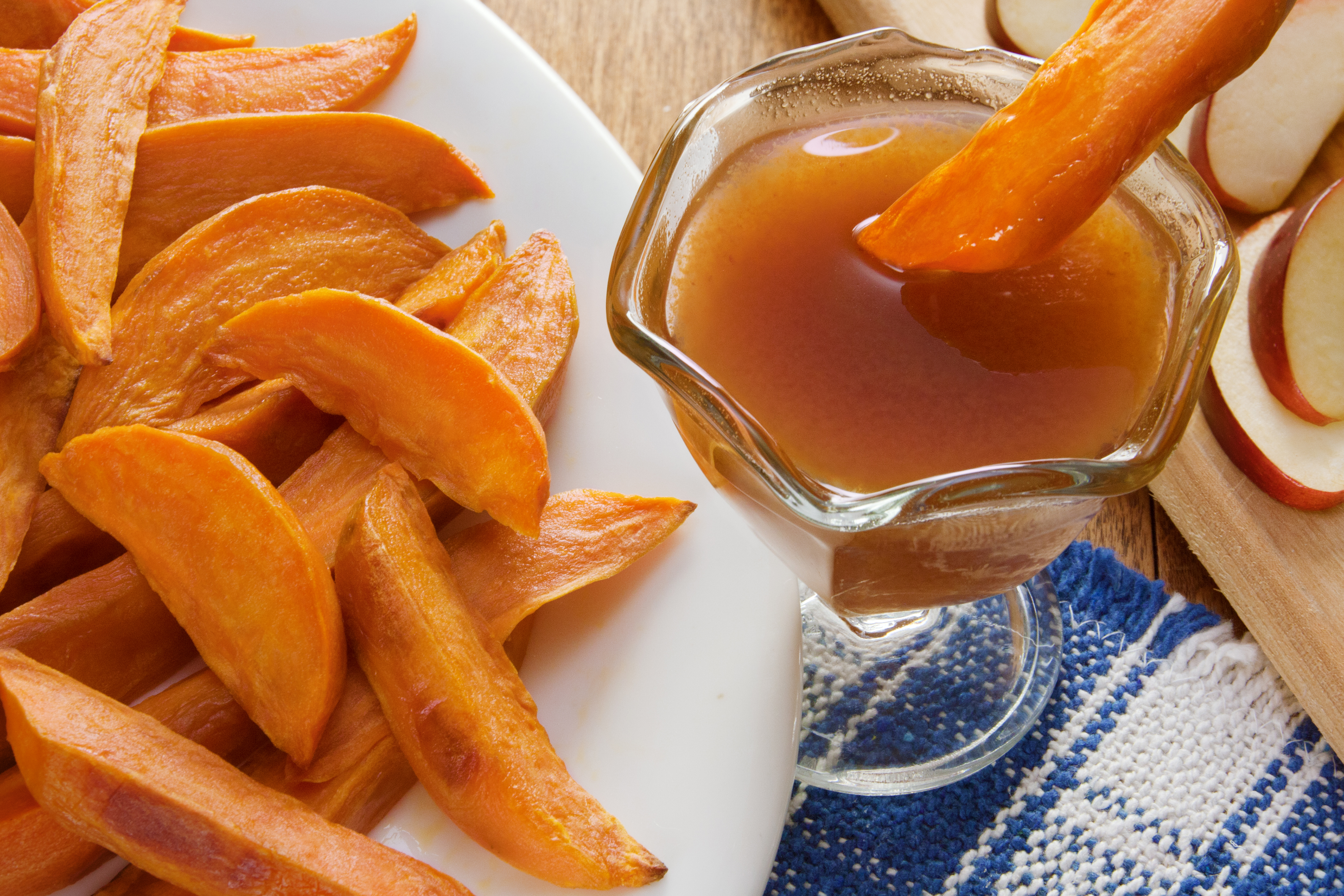
…other things. Low intakes of potassium are mainly due to low intakes are fruits, vegetables and dairy products, according to the U.S. Dietary Guidelines. However, inadequate dietary potassium doesn’t typically…
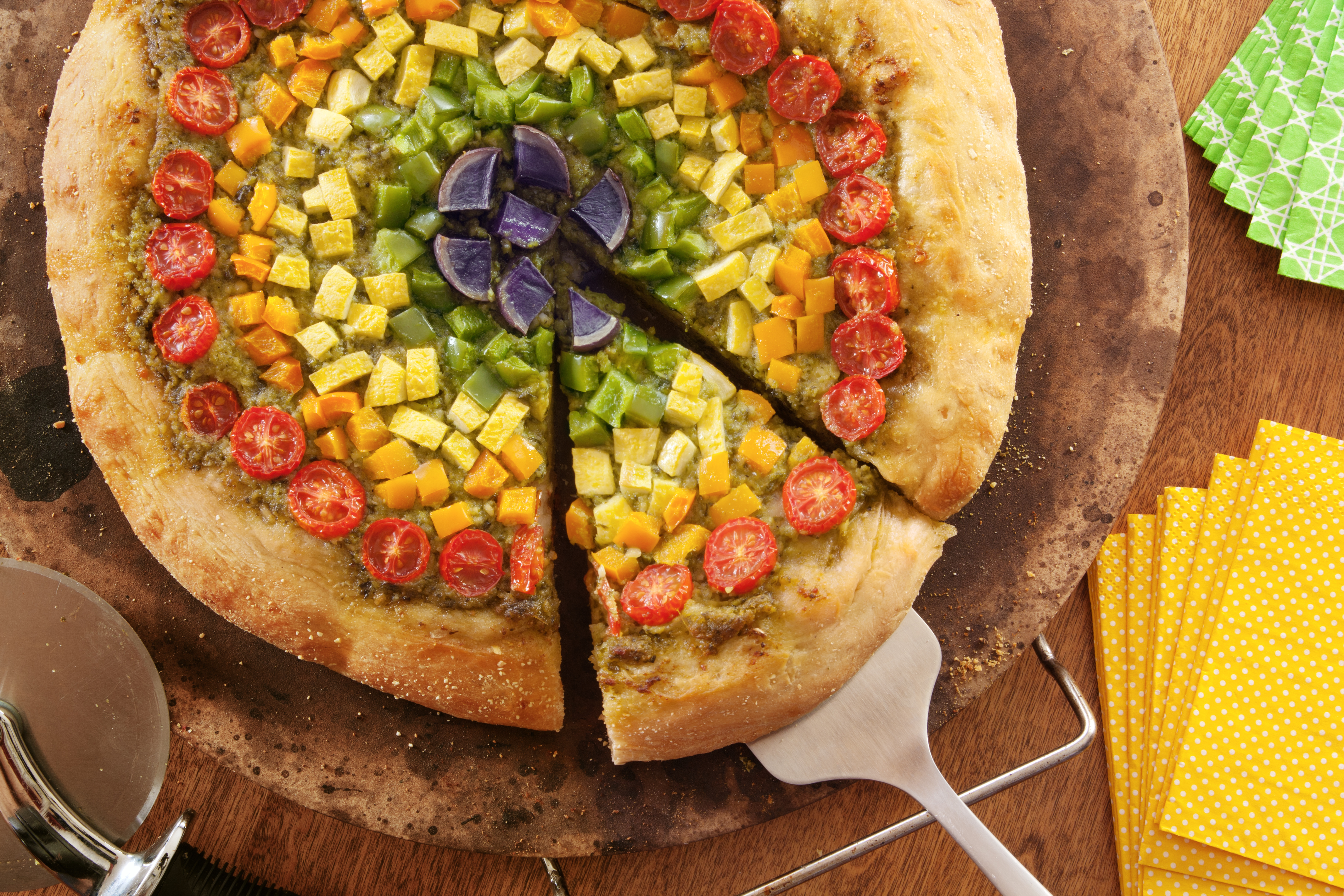
…of veggies on fiber-packed whole-grain dough. Arrayed over a spread of pesto, the vegetables require no further cheese or sauce to provide an amazing meal your whole family will delight…
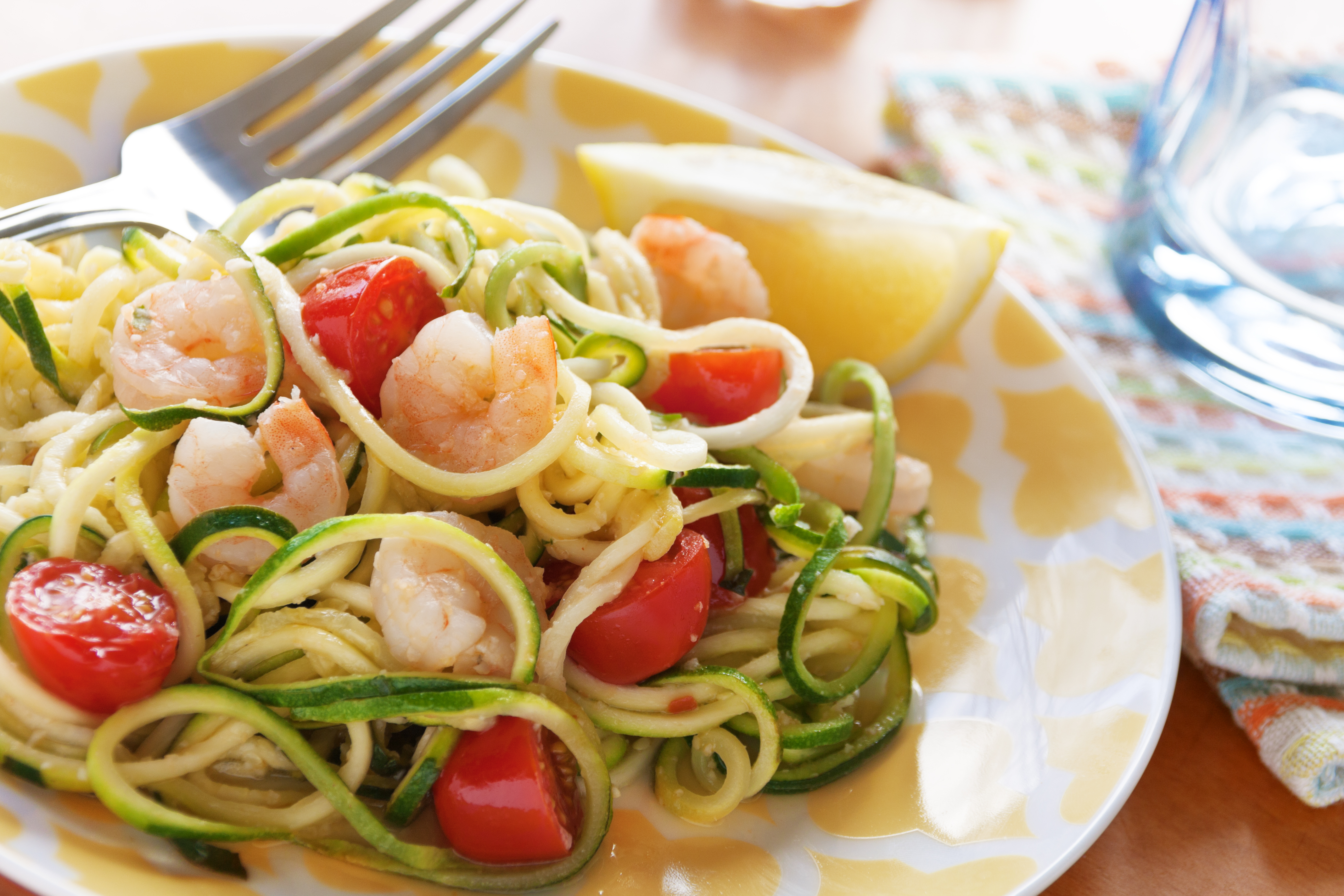
…interested in fruits and vegetables. For caregivers who struggle to get their children to consume their “five a day” of fruits and vegetables, the gardening season may just be what…