Soup Simplicity
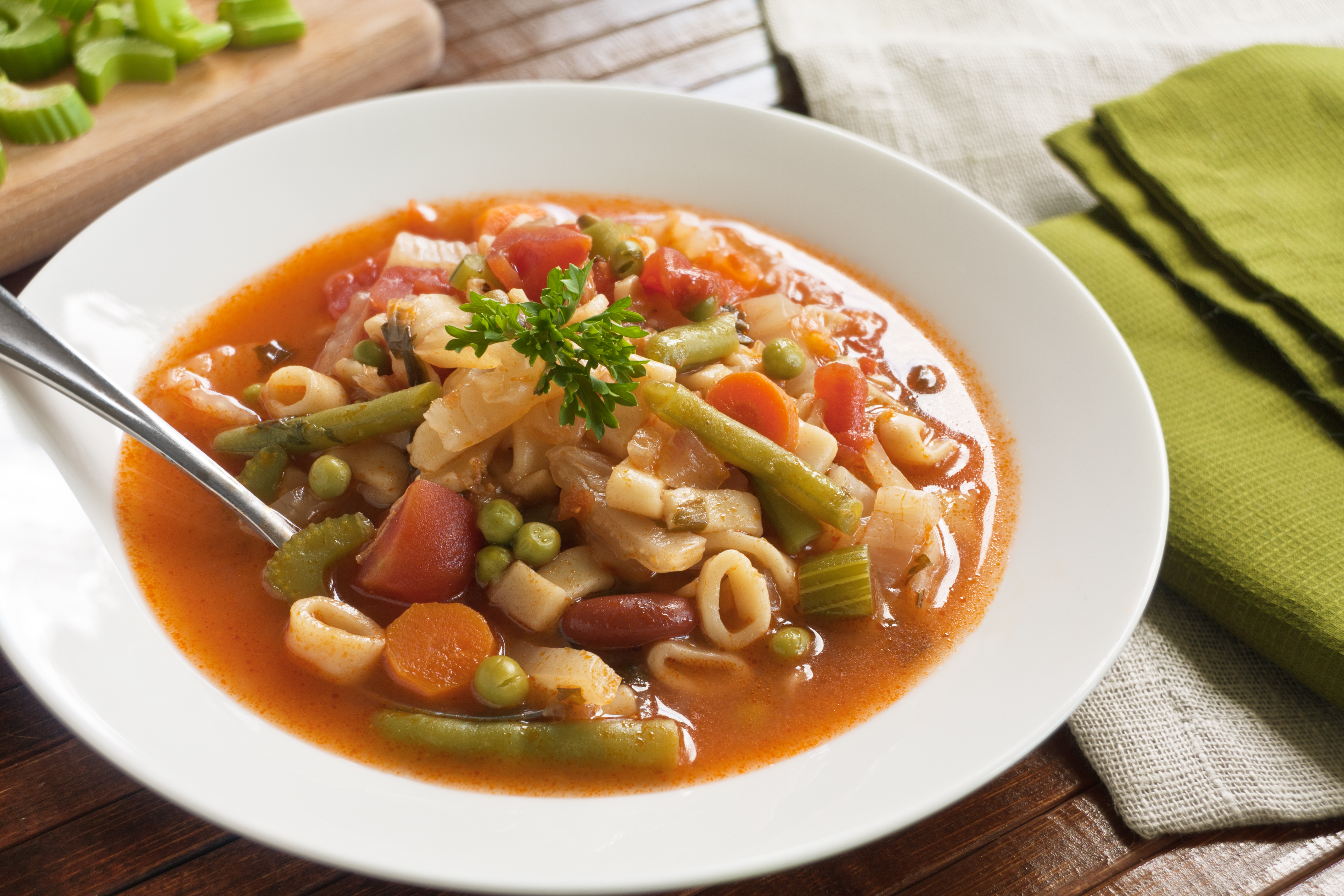
…the full nutrition facts Packed with vegetables, this healthy preparation of a classic soup is a perfect, cozy meal for the first chill of fall. Using low-sodium canned ingredients where…
Nutritious choices made simple®
…the full nutrition facts Packed with vegetables, this healthy preparation of a classic soup is a perfect, cozy meal for the first chill of fall. Using low-sodium canned ingredients where…
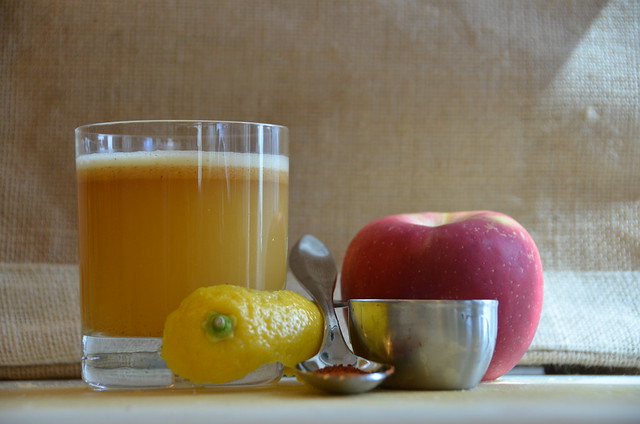
…V8 Fusion Fruit Punch, Minute Maid 100% Juice or Fruit Punch, Fruitables Fruit and Vegetable Blends, Apple and Eve 100% Apple Juice, Hansen’s Junior 100% Juice boxes 1 Guiding Stars:…
…vegetables, grains, dairy, and beans and legumes. The fact that carbohydrates are in most of the food groups and are our main source of energy is why we need half…
…Move over fruit, because veggies are having a heyday. Yogurt made from vegetables like beets, parsnips, tomatoes and sweet potatoes aim to appeal to those who like their yogurt on…

…(give it a quarter of the plate space) and fill half the plate with vegetables and fruit. Depending on age and activity level, men need at least 2 cups of…
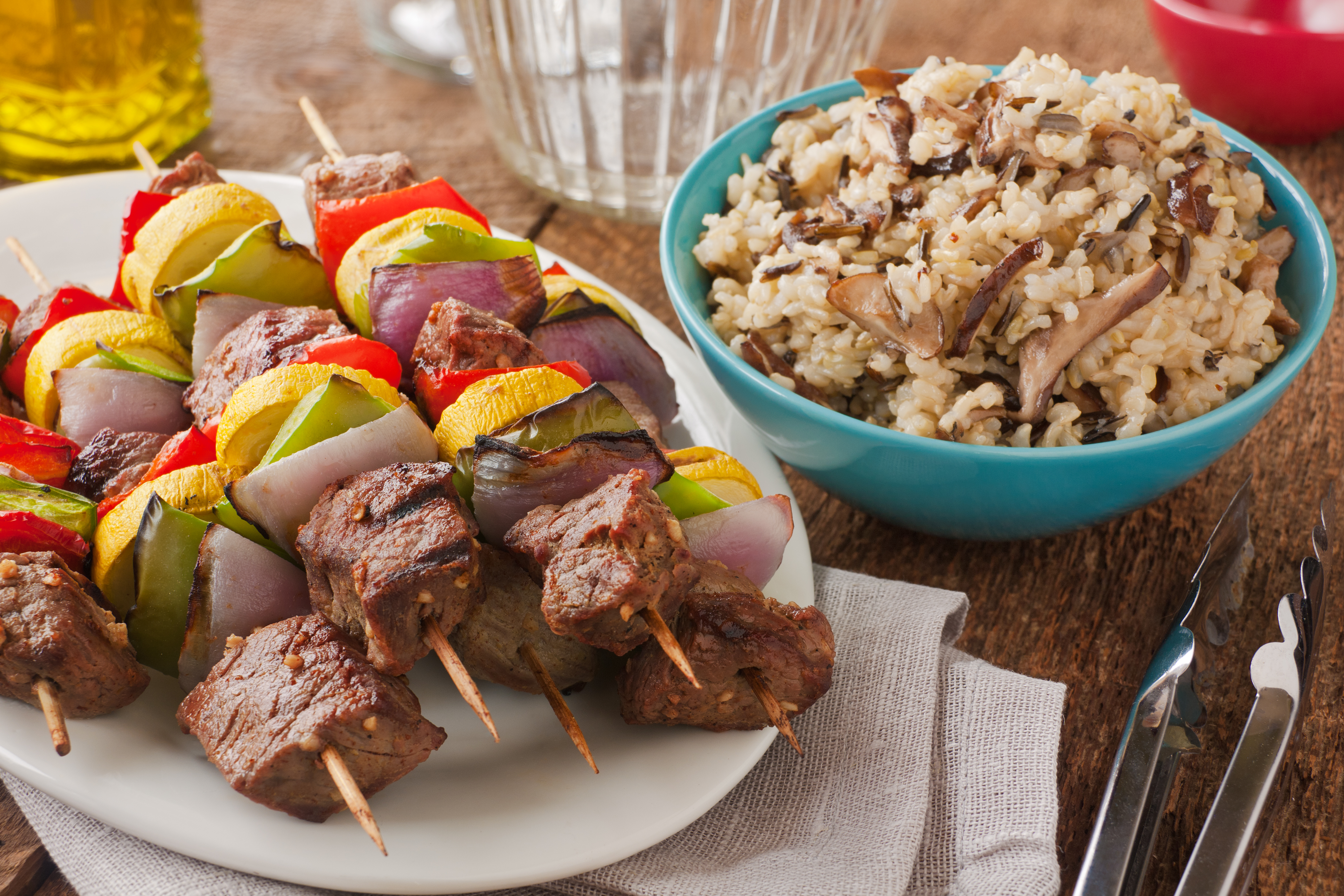
…the right lean cuts and pair them with whole grains and plenty of vegetables. These recipes will help you keep your summer on the right nutritional track without sacrificing flavor….
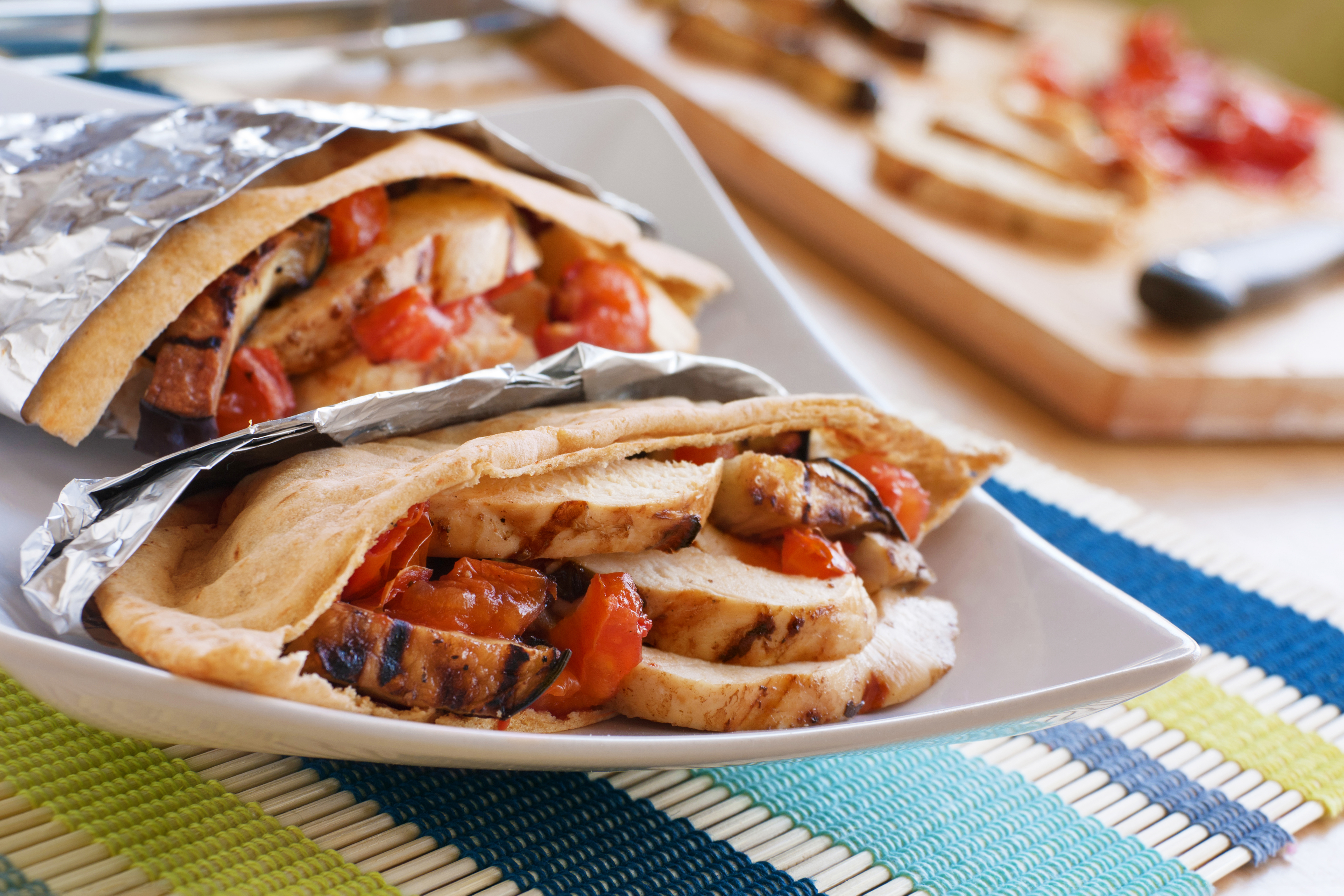
In a rut with chicken? Bring it to life again with these simple, luscious grilled sandwiches. Simply marinated and with vegetable grilled to perfection, this is a well-balanced meal worth…
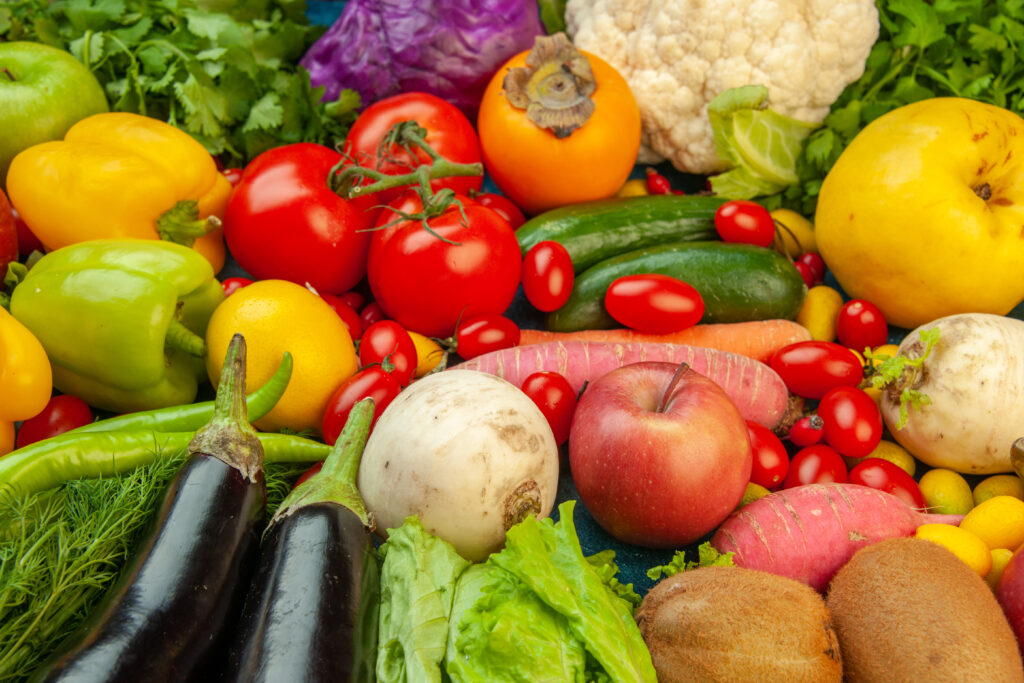
…Eat a vegetable with every meal, aiming for a variety of colors Meet daily fiber goals Increase hydration to a minimum of 64 ounces per day Limit or avoid sources…