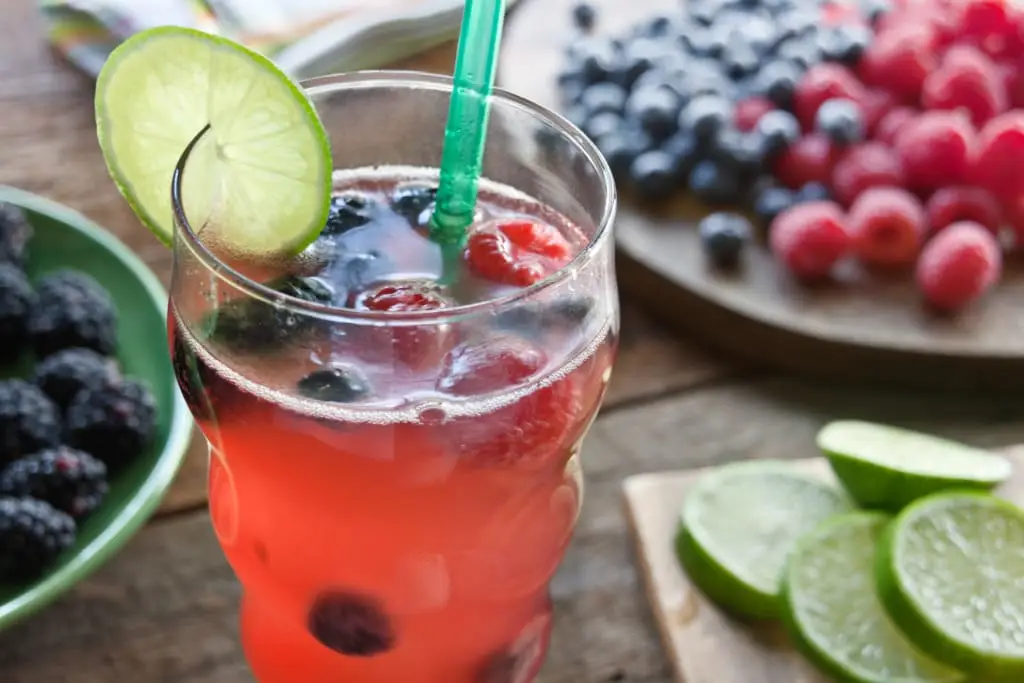
The ability to cut calories by reducing or eliminating sugar in foods and beverages has been the driving force in developing both low and no-calorie sweeteners as well as more products that utilize them. It’s safe to say that interest in lower calorie, sugar-free beverages and foods shows no signs of declining any time soon.
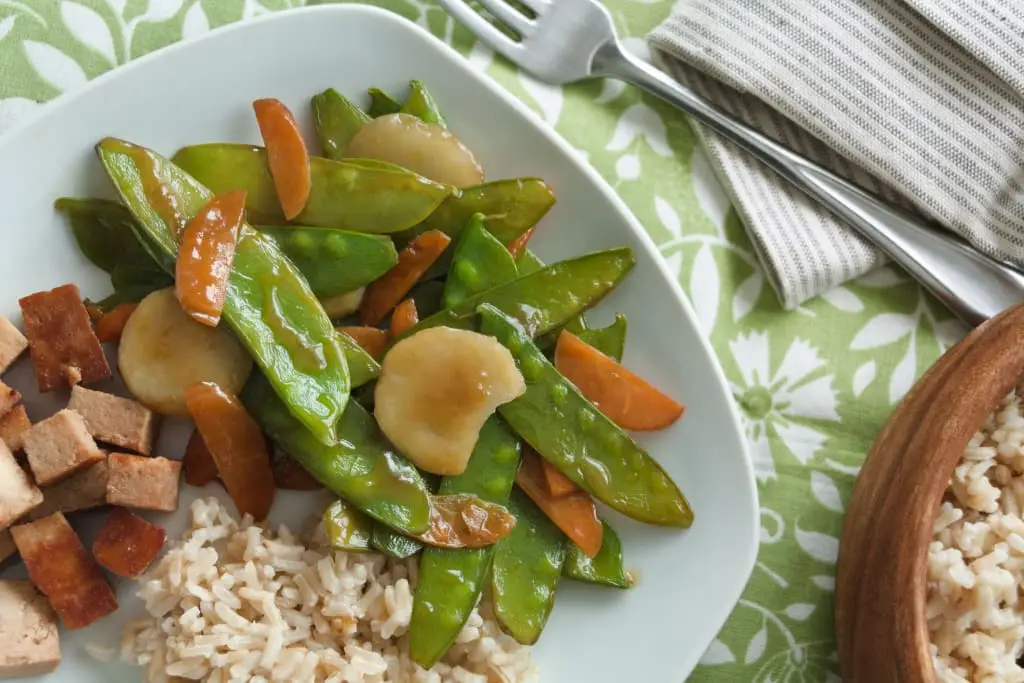
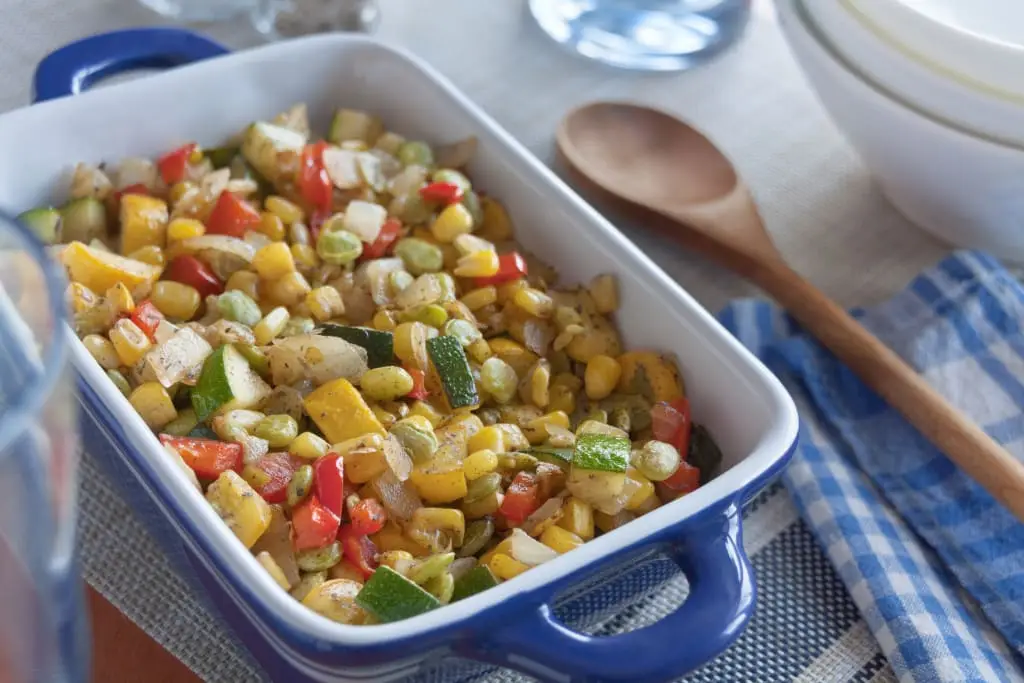
Do you cook regularly for someone who bristles at Brussels sprouts or shudders at spinach? If so, you know how frustrating it can be to get well-rounded meals onto the table. Taking advantage of seasonal or local produce offerings is even harder. It can be enough to cause even the most patient meal planner to want to throw in the towel. But, like I wrote last year when I covered how to handle veggie-shunning kids, you don’t need to resign yourself to never-ending sides of potatoes or corn.
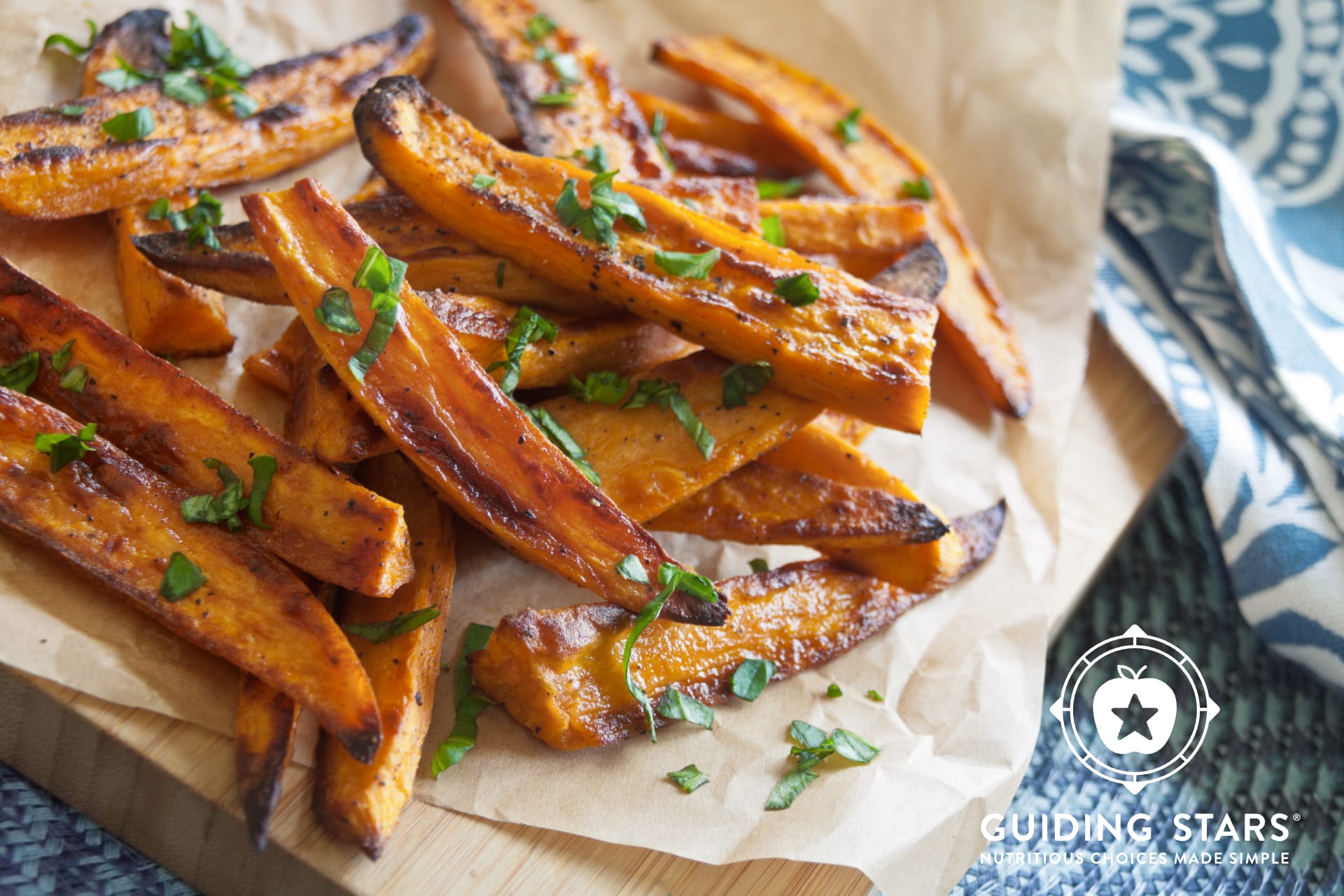
This time of year, we see orange foods all around us. We associate orange with autumn, and also with energy and vibrancy. Of course, we know that some of our favorite orange foods come by their color naturally (although there are some instances where might be fooled—more on that later). Other foods we know are colored somehow to appear orange. This is a little primer on the various ways that foods can acquire their orangey hue—and why those methods may impact your food selection criteria.