You probably already know that skin is your body’s largest organ. It’s also highly visible, unlike most of our organs. We all like it when our skin is smooth and supple, “glowy” and gorgeous. But a good skin routine isn’t just about using the right cleanser or applying sunscreen and moisturizer—diet matters too.
Nourish Your Skin From the Inside
Just like other organs and tissues, skin needs certain nutrients for growth and structure, proper function, and to repair and heal itself. Trendy supplements aren’t necessary, nor is an expensive diet of skin “superfoods.” In fact, according to the American Academy of Dermatology, eating a balanced diet with plenty of whole, plant-based foods is enough to support skin health for most people. What’s needed are adequate amounts of certain nutrients that you can get from your everyday diet. Here are the basic nutrients for supporting the skin you’re in, along with affordable and easy-to-find food sources.
Vitamin C for Collagen
Collagen is the structural support your skin depends on, and vitamin C foods are crucial for collagen synthesis. Vitamin C is also an antioxidant, which has many targets in the body. For skin, they help protect from damage caused by pollution, UV rays in sunlight, and smoking. Face serums and creams often have added antioxidants because they can have topical effects too.
Foods for Vitamin C
- cabbage
- broccoli (fresh or frozen),
- tomatoes (including canned)
- bell peppers
- potatoes
- oranges, kiwifruit, and strawberries (fresh or frozen)
Vitamin A for Growth and Maintenance
Vitamin A is a fat-soluble, antioxidant vitamin that has important roles in growth and cellular function. It also supports the defense of skin against a variety of potentially damaging, everyday “invaders”, like bacteria and viruses. Most people in the U.S. get enough vitamin A to prevent an outright deficiency. However, consuming too little or too much of this vitamin can cause itchy, dry skin. Vitamin A is often added to face creams and treatments for acne and wrinkles, usually labeled as retinol. In our diets, vitamin A is either preformed vitamin A (from animal sources) or carotenoids (from plant sources). Our bodies convert carotenoids like beta-carotene to vitamin A to use it more easily.
Foods for Vitamin A
- eggs
- fish
- beef liver
- sweet potatoes
- spinach, carrots, and red peppers
- pumpkin and other winter squashes
- fortified cereals
- fortified dairy products
Healthy Fats for the Skin Barrier
Essential fatty acids are part of skin cell membranes that help maintain the integrity of the skin barrier. Without enough fat in the diet, skin becomes dry and inflamed, and can be more susceptible to infection. But too much fat—or too much unhealthy saturated and trans fats—can make skin inflammation worse and slow down wound healing. Polyunsaturated and monounsaturated fats are both skin-healthy and heart-healthy (learn more about the different types of fats here). So they are both good choices, and also readily available and economical. Certain fish species, and a few other foods, contain high amounts of omega-3 fats, a type of polyunsaturated fat. The research as to whether omega-3 fats hold special promise for boosting skin health is inconclusive at this point. But it’s still a good idea to include omega-3 fats in your diet regularly for other health benefits.
Foods for Healthy Fats
- nut butters
- ground flaxseed and chia seeds
- canned tuna and fatty fish like sardines, salmon, and mackerel
- canola, corn, and soybean oils
Protein for Repair
The skin’s ability to resist damage and heal links closely to dietary protein. Proteins that you eat and proteins in your body are made from the same things: amino acids. When we eat protein, it breaks down into amino acids that the body can use to grow and repair tissues. For example, amino acids shore up the structural proteins that keep skin firm and healthy, such as collagen and elastin. And protein’s role in skin cell regeneration and wound healing is crucial. If you have a cut, scrape, burn, or even acne, a protein-rich diet can help the healing process.
Foods for Protein
Both animal and plant sources of protein work for skin. In most cases, a variety of sources provide adequate amounts of essential amino acids for all body needs. For more facts on protein, check out this post.
Vitamin E for Cellular Protection
Like vitamins A and C, vitamin E is an antioxidant. This means it helps protect cells from oxidative damage by neutralizing unstable oxygen molecules. It also protects the skin against UV damage from sunlight, and helps repair damaged skin cells. We often apply vitamin E topically for anti-inflammatory and moisturizing effects. But it may work better when combined with vitamin C in a cream or serum. Vitamin E deficiency is rare for generally healthy people—supplements are usually unnecessary and can actually be dangerous in some cases. (Always consult with your doctor about supplements before starting to take them.)
Foods for Vitamin E
- whole grains
- vegetable oils
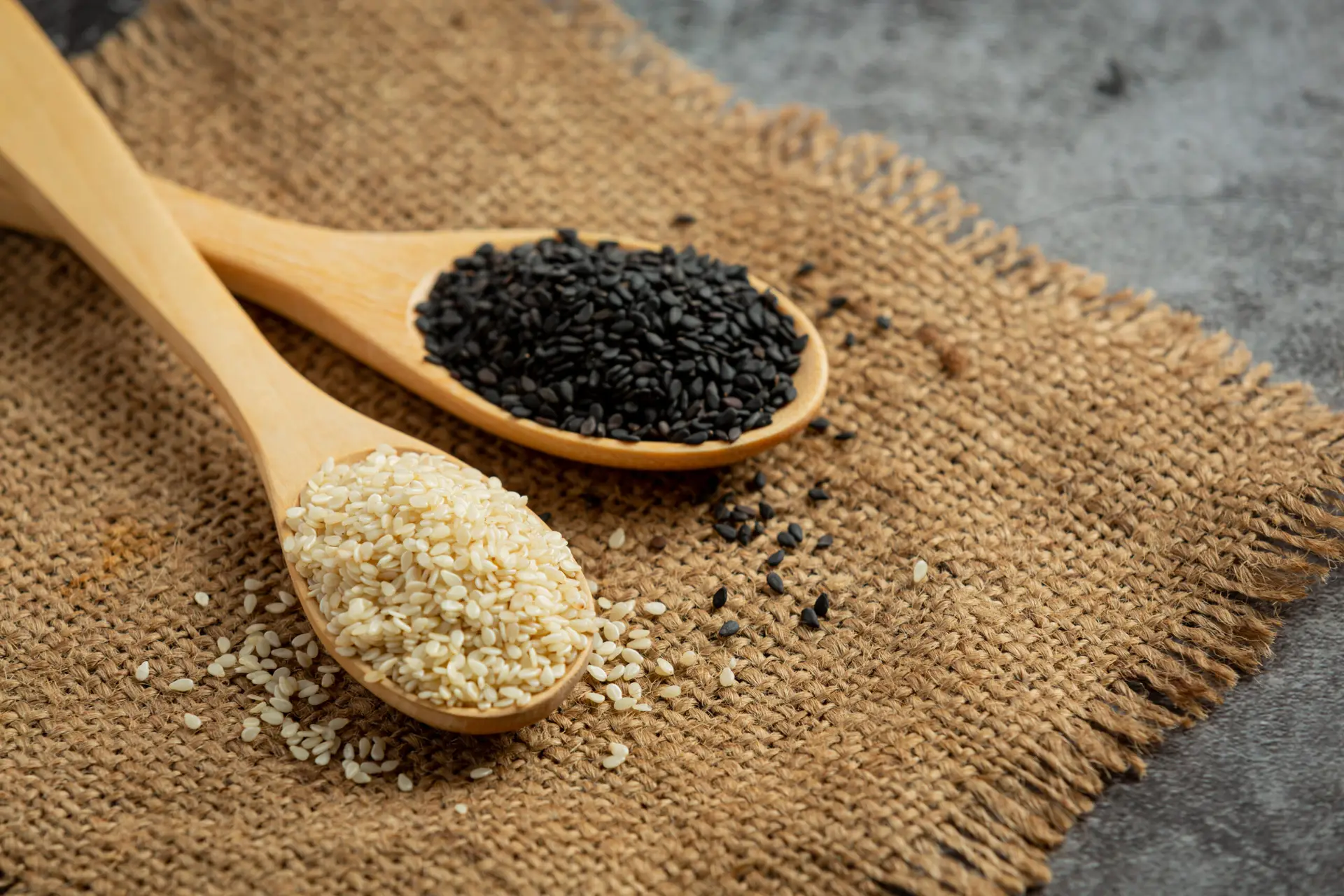
- nuts, seeds, and nut butters
- wheat germ
- fortified cereals
Water for Hydration
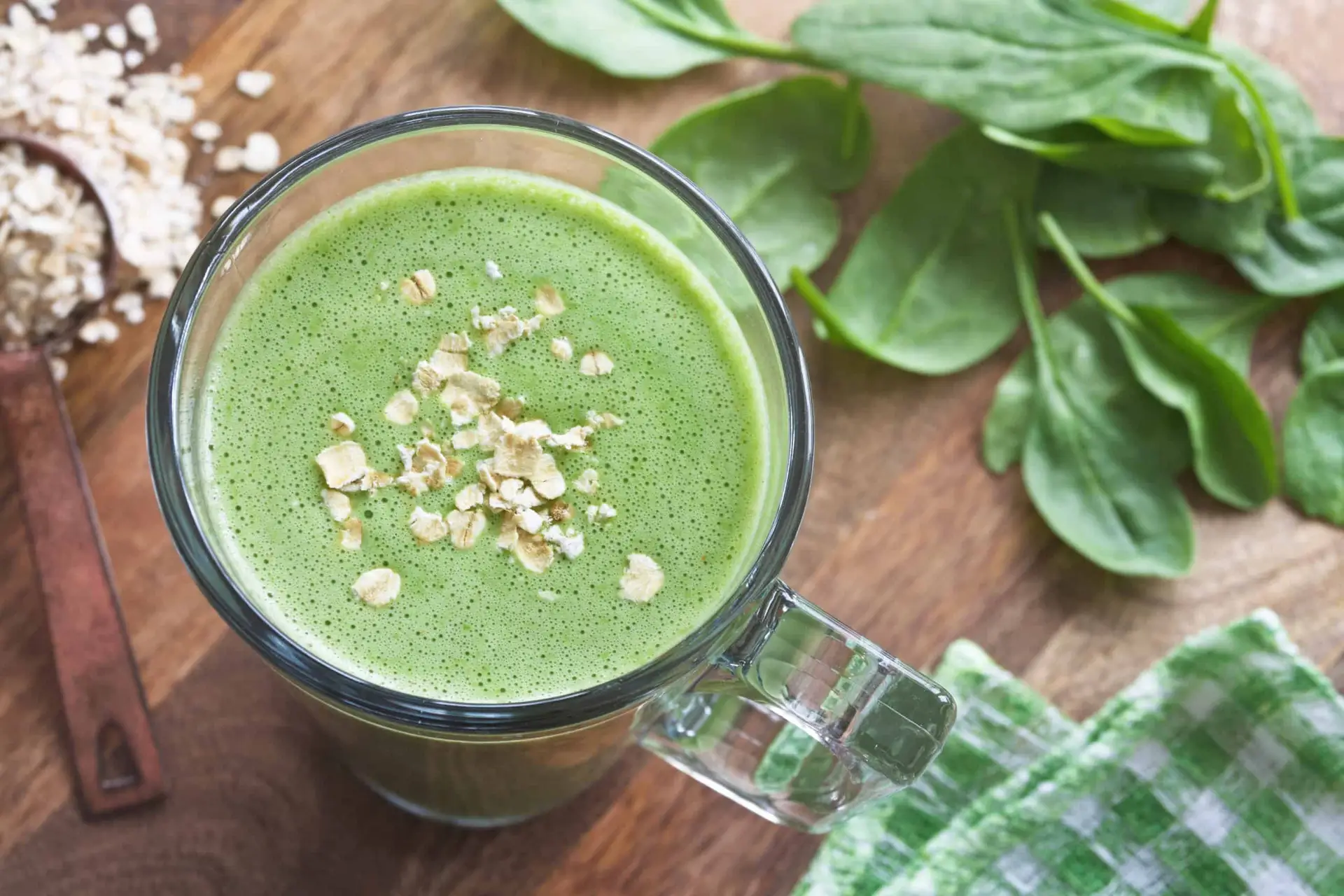
Of course we know that water is important for our overall health. But it doesn’t hurt that getting enough water also helps your skin look plumper and feel more supple. You don’t need any special type of water—tap water will do. Aim to hit a hydration goal that’s appropriate for your individual needs. And don’t forget that lots of different beverages contain water—and foods contain fluids too! Think soups, smoothies, and homemade ice pops. Check out the popular Guiding Stars smoothie recipes here.