This category is for
Clear explanations of nutrition research, ingredients, labeling, food policy, and the science behind healthier choices.
Articles on the Topic
The Low-down on Low & No-calorie Sweeteners (part 2)
This is Part 2 in our blog series exploring the origin of low- and no- calorie sweeteners and their impacts on health.
The Low-down on Low & No-calorie Sweeteners (part 1)
The ability to cut calories by reducing or eliminating sugar in foods and beverages has been the driving force in developing both low and no-calorie sweeteners as well as more products that utilize them. It’s safe to say that interest in lower calorie, sugar-free beverages and foods shows no signs of declining any time soon.
Orange: Real & Artificial
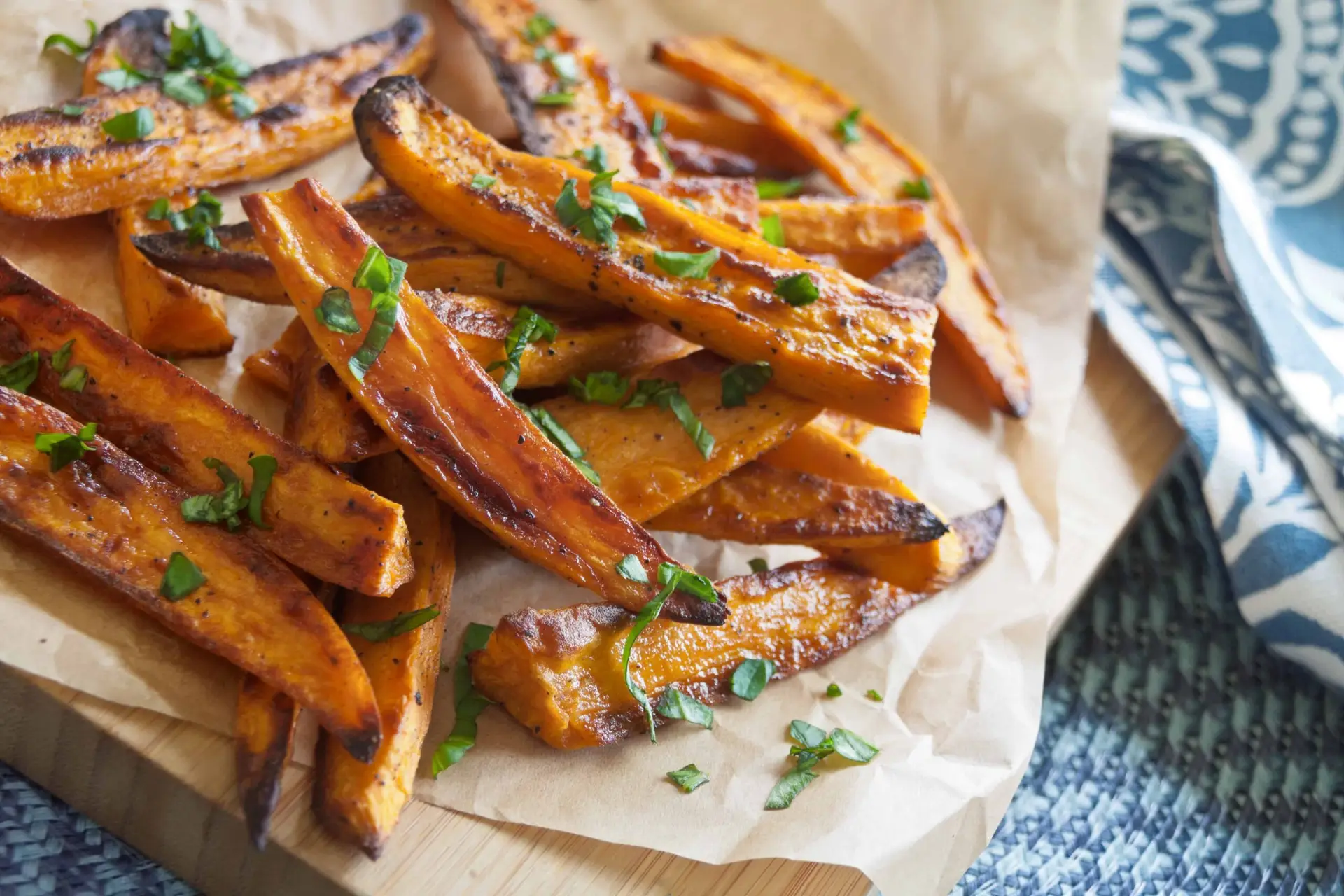
This time of year, we see orange foods all around us. We associate orange with autumn, and also with energy and vibrancy. Of course, we know that some of our favorite orange foods come by their color naturally (although there are some instances where might be fooled—more on that later). Other foods we know are colored somehow to appear orange. This is a little primer on the various ways that foods can acquire their orangey hue—and why those methods may impact your food selection criteria.
No Credit for Protein
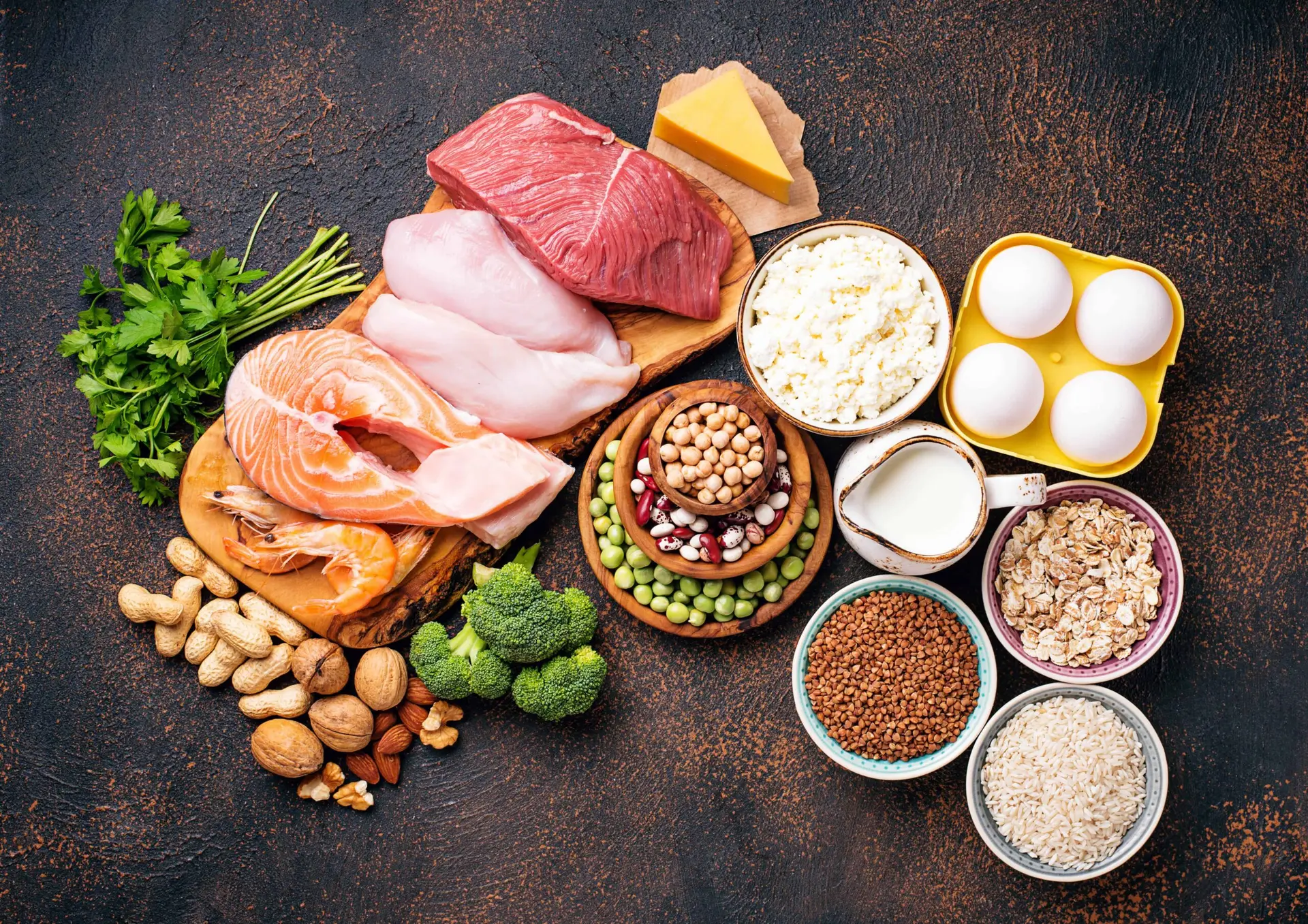
Protein is an essential macronutrient that must be included in the diet at an adequate amount for good health. Due to their high protein content, foods made from meat, poultry, seafood, beans and peas, eggs, processed soy products, nuts, and seeds are considered part of the Protein Foods Group. According to USDA’s MyPlate, protein foods should make up ¼ of our plates. However, these foods contain a lot more than protein and nutrient density varies because of it. In this edition of Surprising Stars, we will explain why Guiding Stars does not consider protein level as it evaluates the nutrient density of food.